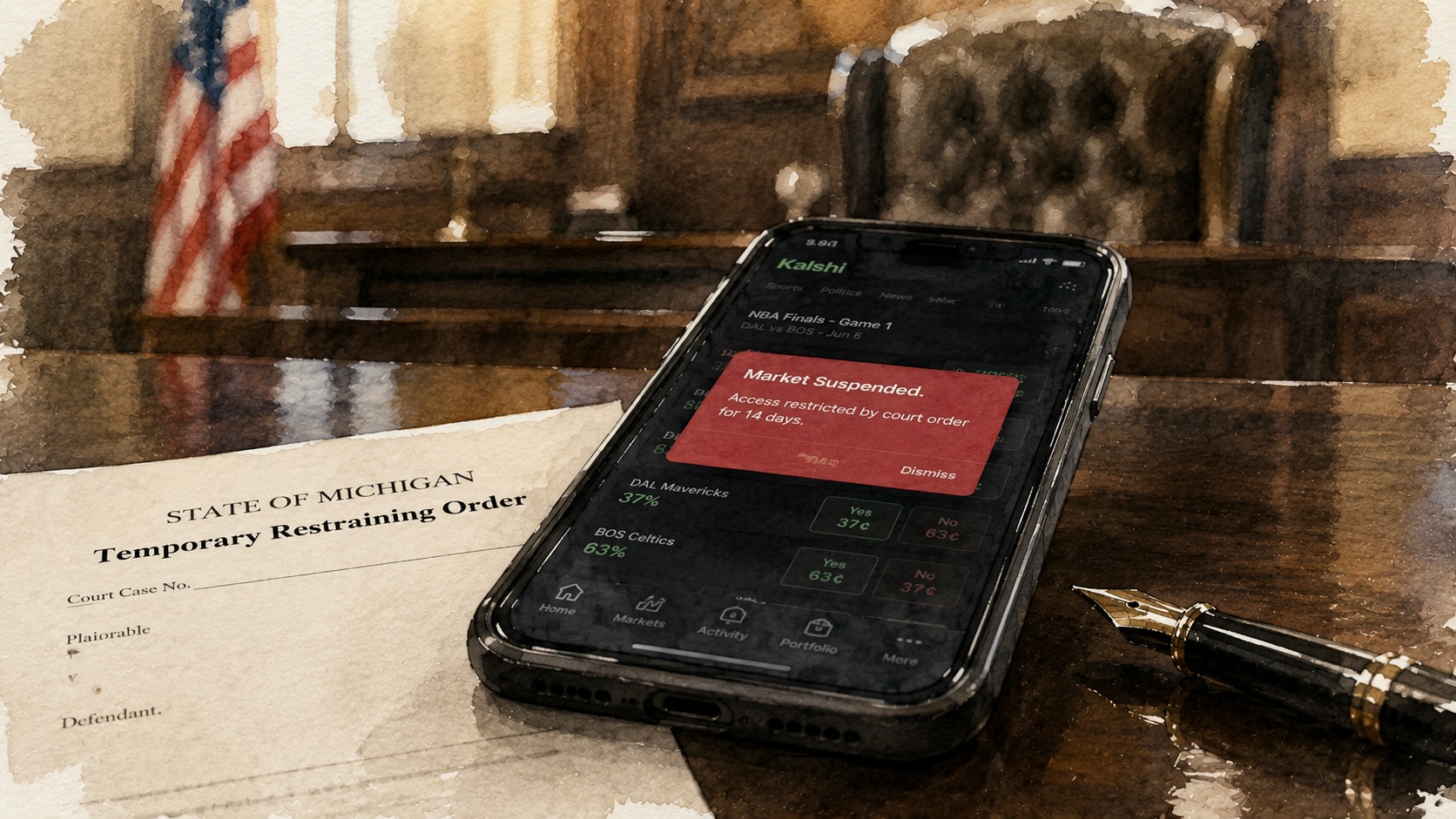
Trump floats Gaza relocation with tokenized land

The Trump administration plans Gaza relocation Gaza’s 2 million residents with tokenized land compensation under the GREAT Trust plan.
The Trump administration proposed a Gaza reconstruction plan that would relocate the region’s 2 million residents while providing tokenized land compensation. Named the GREAT Trust, short for Gaza Reconstitution, Economic Acceleration, and Transformation, the plan aims to use digital infrastructure to support Gaza’s recovery and long-term development.
GREAT Trust envisions $70–100 billion in public investment, expected to trigger an additional $35–65 billion in private capital. This funding would cover all major aspects of reconstruction, including ten mega construction projects, humanitarian aid, economic development programs, voluntary relocation packages, and a security framework.
The plan offers two housing options. The first is temporary housing within Gaza, using hardened structures with essential services such as education, water and sanitation, and food. About 75% of Gazans are expected to stay, with 90% of them needing temporary housing. This support is estimated to cost roughly $6 billion.
Alternatively, residents could choose voluntary relocation to other countries. Those relocating would receive $5,000 per person, with rent fully subsidized in the first year and gradually reduced over four years, along with food support during the first year. The total estimated cost for relocation support is $5 billion.
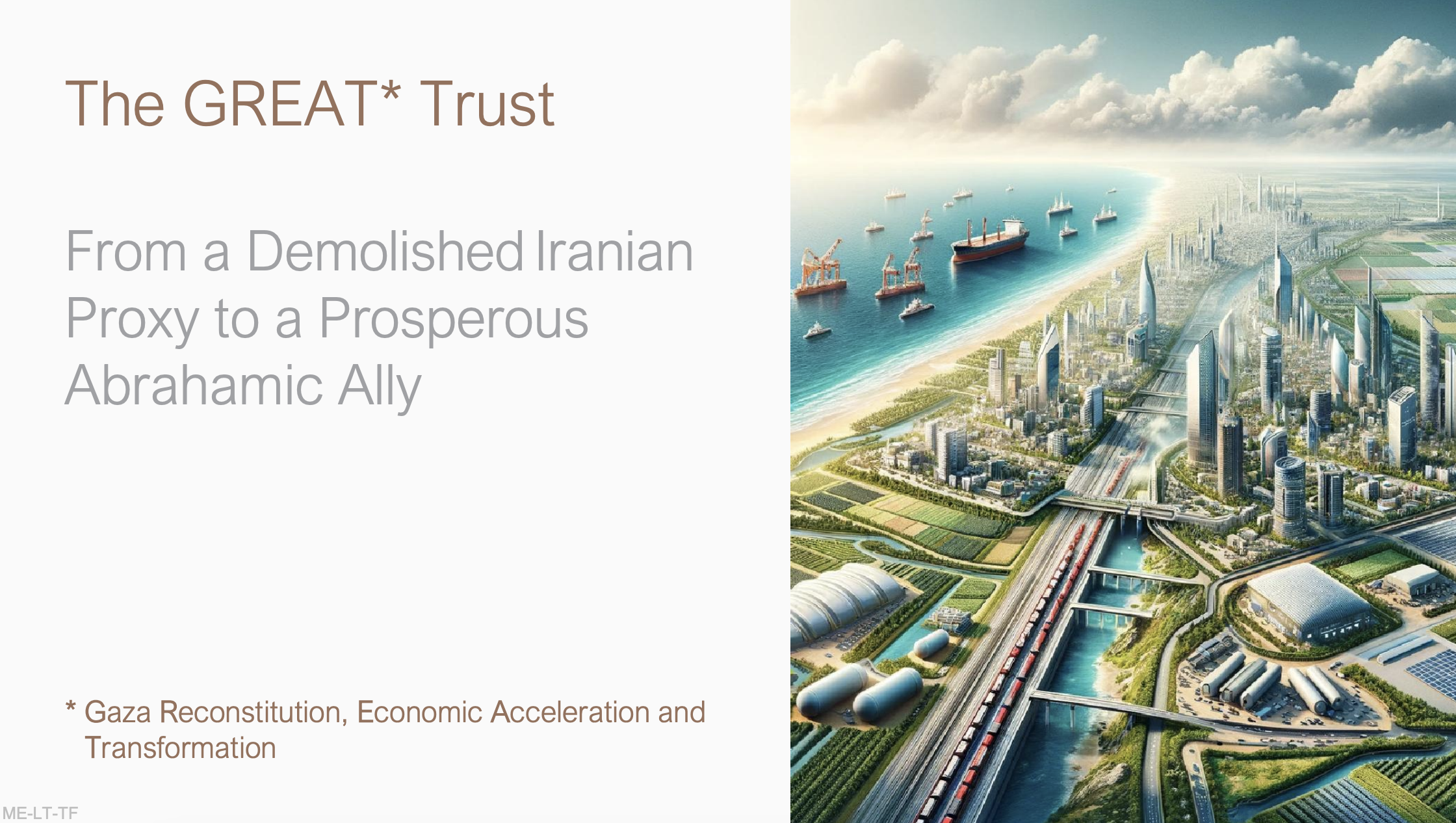
At the core of the plan is a land trust combined with tokenization to create a self-financing and sustainable development fund. The Gaza Land Trust would be initially capitalized by leasing over 30% of public land for 25 to 99 years, along with additional investments. These assets could eventually reach over $300 billion in value and generate their own revenue.
Profits above a set internal rate of return (IRR) would be reinvested into a dedicated Palestinian Wealth Fund to benefit future generations. Blockchain technology would be used to create a digital land registry and tokenize assets, improving liquidity and enabling broader investment. Tokens could be sold or traded on public or private platforms, giving investors a stake while providing Gazans with a mechanism to secure future homes.
As reconstruction progresses, Gazans could redeem their tokens for rebuilt residences, while investors could trade theirs on secondary markets. All transactions would be recorded on the blockchain, ensuring transparency and accountability. By 2035, Gaza is projected to reach an estimated $320 billion in asset value, according to the plan.
The content on The Coinomist is for informational purposes only and should not be interpreted as financial advice. While we strive to provide accurate and up-to-date information, we do not guarantee the accuracy, completeness, or reliability of any content. Neither we accept liability for any errors or omissions in the information provided or for any financial losses incurred as a result of relying on this information. Actions based on this content are at your own risk. Always do your own research and consult a professional. See our Terms, Privacy Policy, and Disclaimers for more details.
Articles by this author