Trump seeks $1.5T FY2027 defense budget in Iran war

President Donald Trump requested $1.5 trillion for FY2027 defense, about 40% above current levels, as the U.S. leads a war against Iran and the plan trims non-defense programs.
WASHINGTON — President Donald Trump on Friday sent Congress a $1.5 trillion defense request for fiscal year 2027, the largest in U.S. history. The proposal, roughly 40% above current funding, arrived in the fifth week of a U.S.-led war against Iran and pairs higher military outlays with reductions to domestic programs.
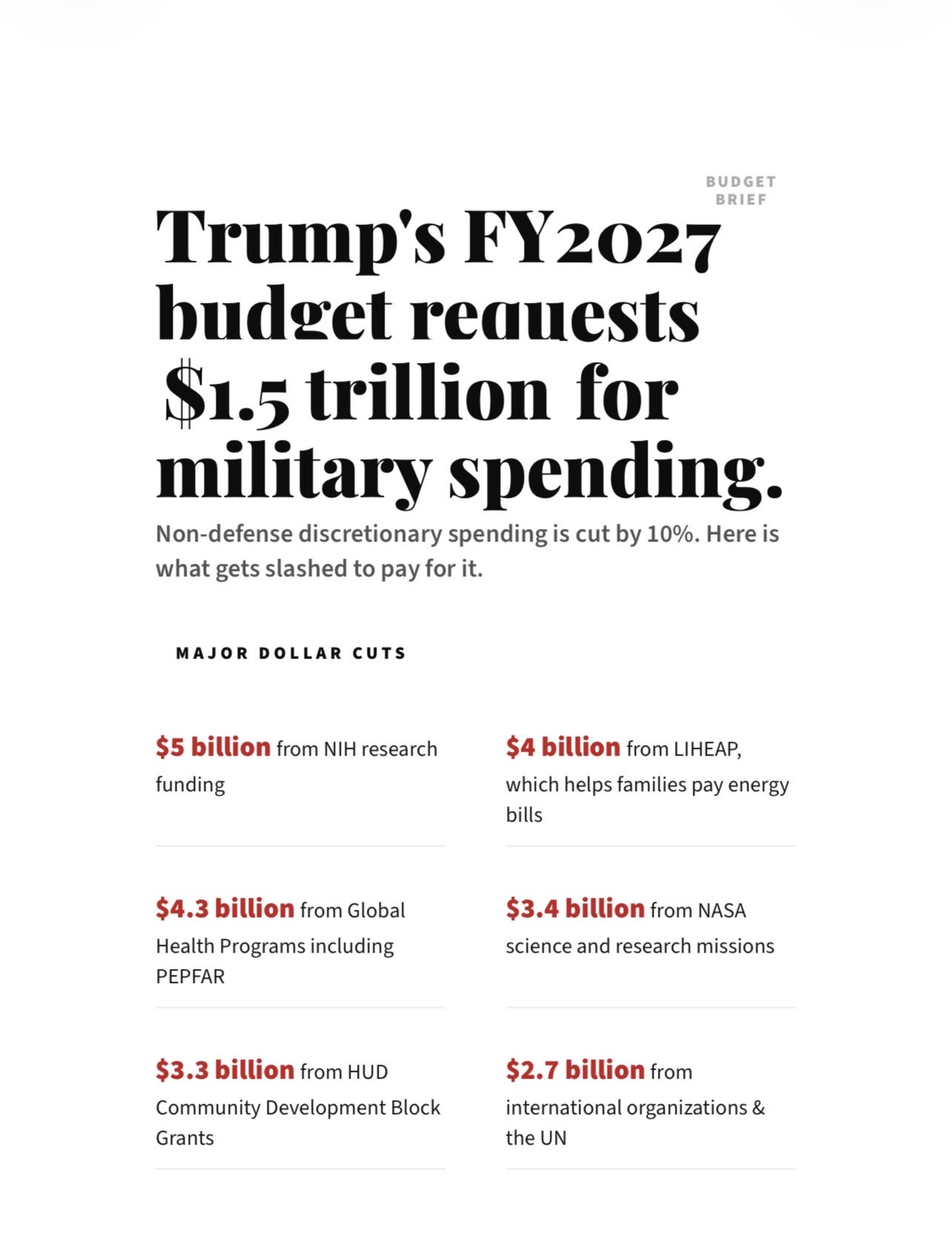
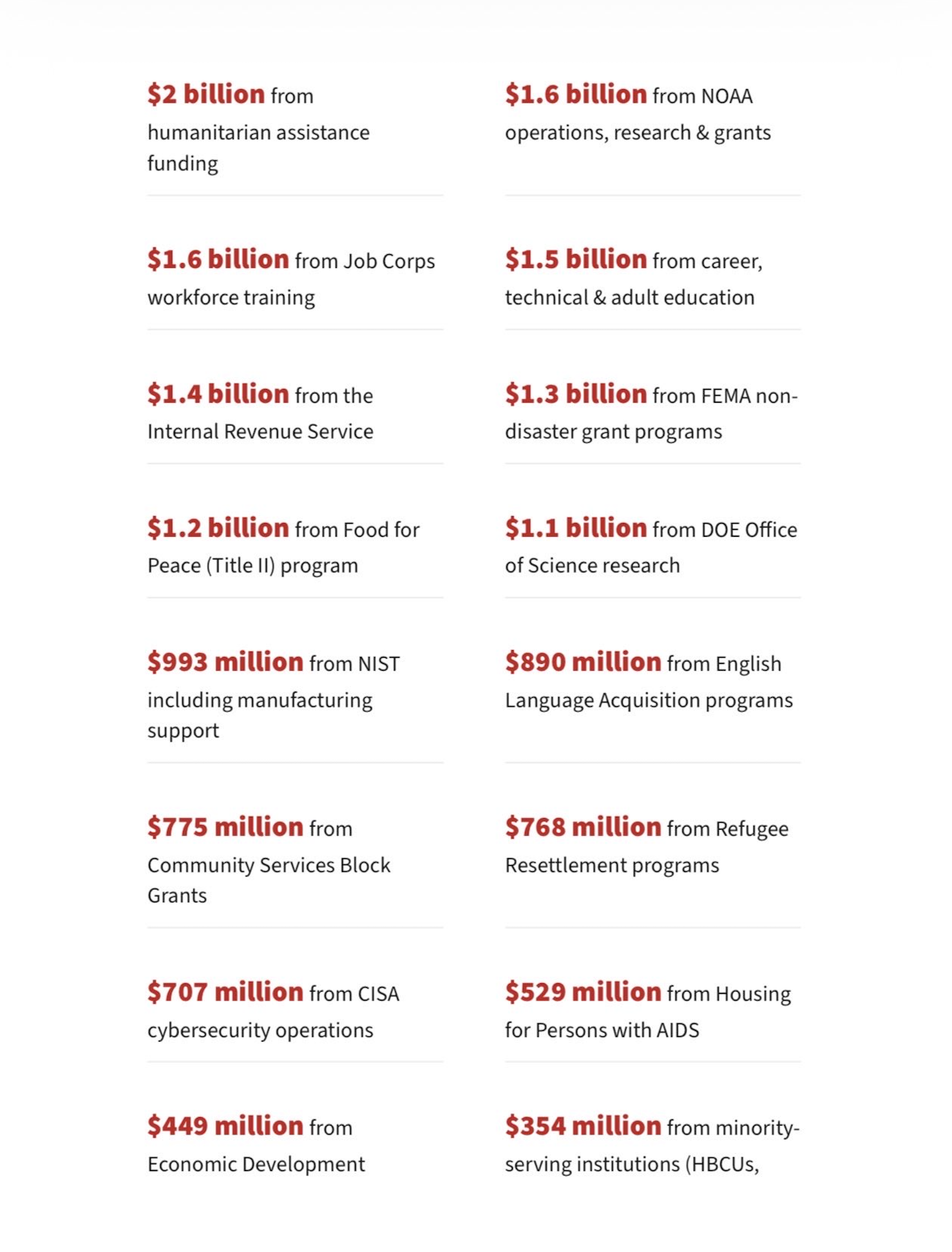
The plan sets a $1.15 trillion base budget for the Pentagon, marking the first time the base has crossed $1 trillion. Another $350 billion would be enacted through budget reconciliation. Non-defense discretionary spending would be cut by 10%, and the White House listed $73 billion in reductions to health research, education, renewable energy and community development. Nonpartisan fiscal analysts view the request as the largest year-over-year defense increase in the post–World War II era. The package requires approval from Congress.
Within the request, about $260 billion goes to procurement of weapons and equipment and $220 billion to research, development, testing and evaluation. The Air Force’s research and development account would rise from $57 billion to $74.2 billion to support programs such as the F-47 stealth fighter, planned for a first flight in 2028. Shipbuilding funding reaches $65.8 billion for 34 vessels. Through the reconciliation bill, the Golden Dome missile defense shield is allocated $17.5 billion.
Administration officials argue the increase is needed to replenish stocks, speed modernization and sustain operations tied to the Iran conflict. The Pentagon has been drawing down reserves at an estimated $1.2 billion per week. A separate emergency war supplemental is expected to reach Capitol Hill in late April or May.
Budget Director Russell Vought described the plan as one that “builds on the president’s vision by continuing to constrain non-defense spending and reform the federal government.”
Republicans hold majorities in both chambers and aim to pass the reconciliation package this year, with midterm elections in November. Early pushback has come from Democrats who oppose unchecked increases. Senator Patty Murray offered this view: “I refuse to provide a blank check to the Pentagon,” arguing that the department’s challenge is efficient spending rather than overall funding levels. Many Republicans back a stronger defense posture but differ on how to structure domestic cuts and emergency war funding.
Outside budget watchdogs estimate the plan would expand federal borrowing. The Committee for a Responsible Federal Budget projects an increase of about $6.9 trillion to the national debt over 10 years when interest costs are included. Federal Reserve Chair Jerome Powell warned in separate remarks that the debt trajectory “will not end well if we don’t do something fairly soon.”
Financial markets are assessing inflation risk from a large, deficit-financed buildup during active combat. Rising military outlays and oil supply disruptions related to the Iran war are narrowing options for central banks, while investors reassess exposure across equities, bonds, commodities and digital assets. Recent surveys show that 72% of financial institutions now classify digital assets as a core category, making crypto markets more sensitive to changes in rates, inflation and defense spending.
The request comes during a period of accelerated modernization in air, naval and missile defense programs, with logistics and munitions restocking gaining urgency. Lawmakers now face choices on the size of procurement, the pace of research and development, how to fund missile defenses such as Golden Dome and whether to accept or revise the proposed domestic cuts.
The content on The Coinomist is for informational purposes only and should not be interpreted as financial advice. While we strive to provide accurate and up-to-date information, we do not guarantee the accuracy, completeness, or reliability of any content. Neither we accept liability for any errors or omissions in the information provided or for any financial losses incurred as a result of relying on this information. Actions based on this content are at your own risk. Always do your own research and consult a professional. See our Terms, Privacy Policy, and Disclaimers for more details.
Articles by this author