Tokenized RWA Market Tops $51B as Equity Token Model Sought
Bernstein reports tokenized real-world assets rose 40% to above $51 billion as market participants work to define an equity token model.
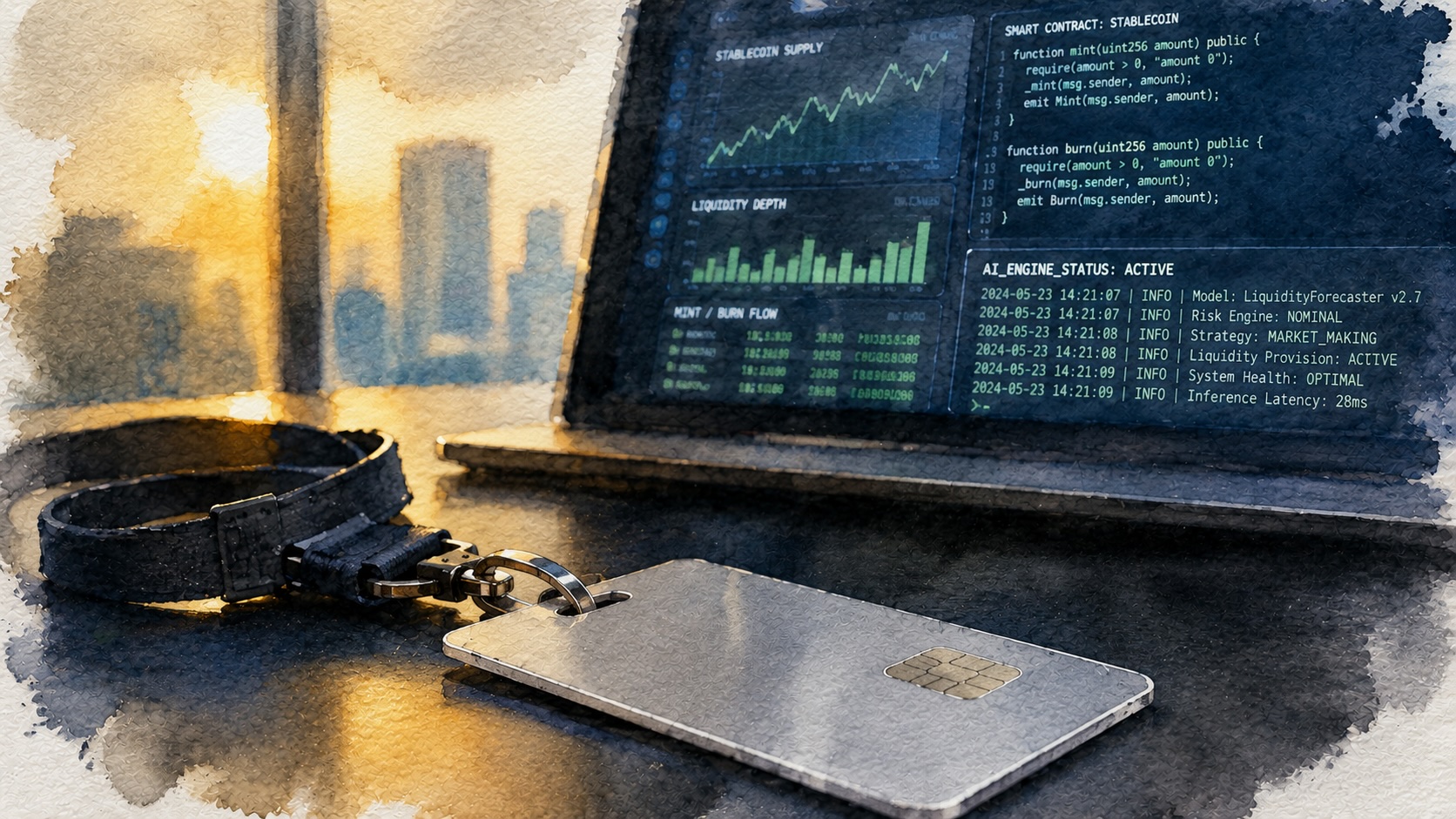
Recent data from Bernstein shows the market capitalization of tokenized real-world assets increased 40% to more than $51 billion. The assets include tokenized real estate, private credit and fund interests represented by digital tokens on distributed ledgers.
Tokenized real-world assets are financial claims recorded as tokens that can represent ownership or contractual rights. Issuers and platforms convert physical assets or contractual claims into on-chain instruments to enable secondary trading, fractional ownership and programmatic transfer restrictions.
Market participants are focusing on an equity token model that would represent company shares on blockchains. Such a model must resolve how shareholder rights, dividend entitlements, voting and transfer limits are enforced when records exist on-chain. It must also clarify how token records map to corporate registries and whether on-chain entries alone establish legal ownership.
Technical work is under way to build token standards and compliance layers that enforce securities rules, know-your-customer checks and automated transfer controls. Firms are developing custody and settlement arrangements designed to either integrate with existing clearing and depository systems or to provide compliant alternatives that align with securities frameworks.
The recent growth is tied to increased issuance and secondary-market activity. Investors seeking more liquid exposure to traditionally illiquid assets and issuers looking to broaden investor bases have driven demand. Proponents point to potential for faster settlement, lower friction in secondary trading and the ability to fractionalize high-value assets to allow smaller investors to participate.
Regulators and companies are assessing whether existing securities laws cover tokenized shares or whether new registration pathways and rules are required. That assessment will determine how tokenized equity can be offered, who may buy it and which disclosure and reporting standards will apply. Legal clarification is a recurring topic in market discussions about how on-chain ownership should align with corporate law requirements for shareholder lists and meeting participation.
Market infrastructure is evolving as service providers build on-chain compliance tools, identity and wallet solutions and custody services for tokenized securities. Trading platforms and alternative trading systems are testing order-routing and matching models that combine on-chain settlement with off-chain regulatory checks.
Bernstein’s figures capture the current expansion in tokenized real-world assets and underline the next set of legal, technical and market infrastructure issues that participants say must be addressed before equity tokens can scale.
The content on The Coinomist is for informational purposes only and should not be interpreted as financial advice. While we strive to provide accurate and up-to-date information, we do not guarantee the accuracy, completeness, or reliability of any content. Neither we accept liability for any errors or omissions in the information provided or for any financial losses incurred as a result of relying on this information. Actions based on this content are at your own risk. Always do your own research and consult a professional. See our Terms, Privacy Policy, and Disclaimers for more details.
Articles by this author