Standard Chartered: rsETH hack dents DeFi, $2T RWA outlook intact
Standard Chartered says April 18 rsETH exploit that stole $292 million and drained Aave deposits hurt DeFi but won’t alter its $2 trillion tokenized RWA forecast by 2028.
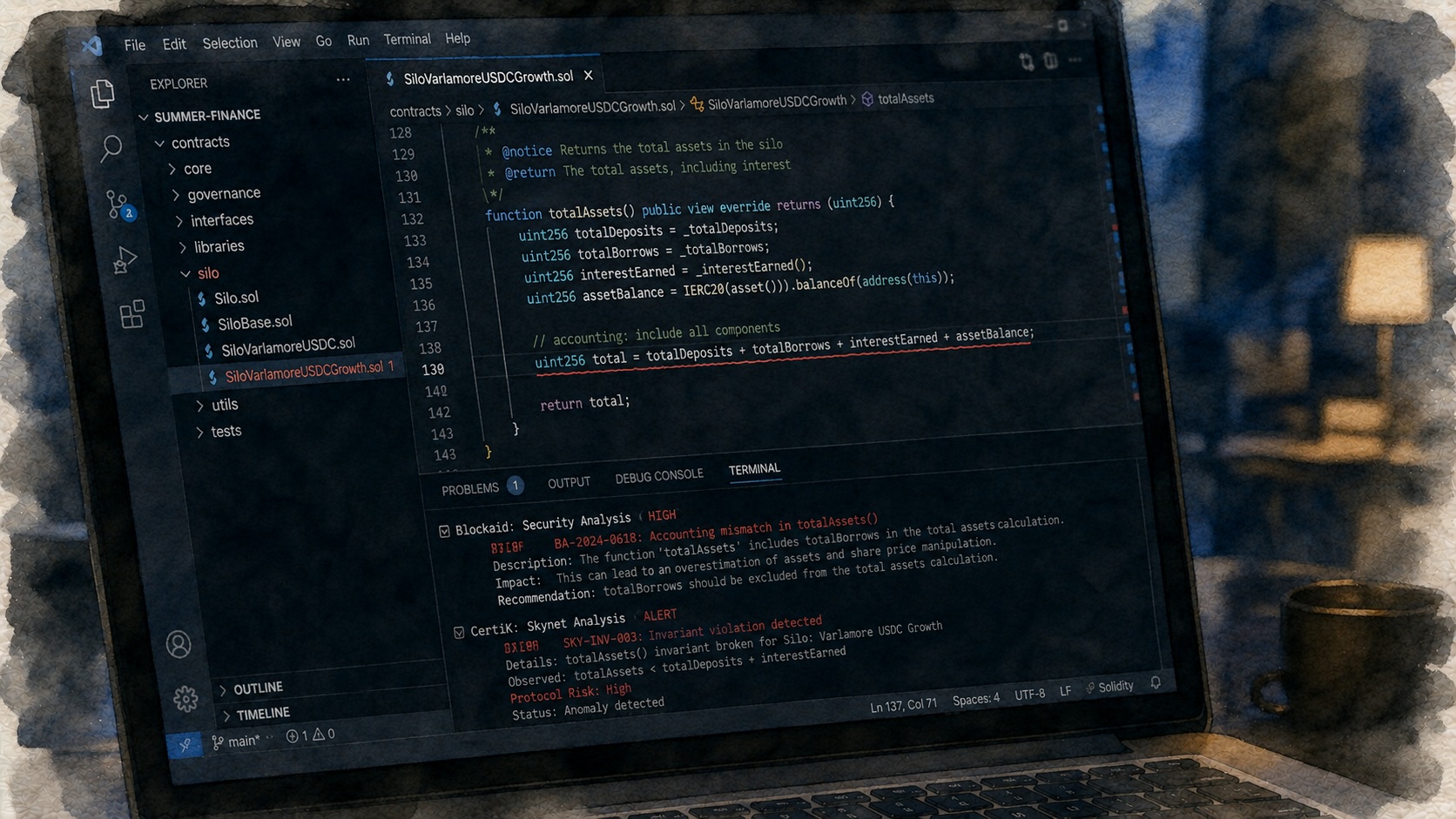
Standard Chartered released a research note titled “DeFi – Bent, not broken” after the April 18 rsETH exploit. Geoffrey Kendrick, the bank’s global head of digital assets research, wrote that a suspected forged LayerZero cross-chain message allowed an attacker to obtain roughly $292 million in rsETH. The attacker then deposited those tokens into Aave as collateral and borrowed against unbacked assets.
The move into Aave triggered rapid withdrawals and broad deleveraging across the protocol. Standard Chartered quantified the impact as a loss of $17 billion in deposits, or 38% of the protocol’s total, and $5.5 billion in active loans, or 31%.
A coalition led by Aave founder Stani Kulechov and supported by the Aave DAO and other ecosystem participants committed more than $300 million to restore operations and stabilize markets. Kendrick noted the rescue effort helped yields fall back and net deposits begin to recover.
The bank identified complexity, rather than simple market volatility, as DeFi’s main emerging risk. Increasingly complex collateral types — including wrapped, staked and restaked assets — sat against liabilities with different risk profiles, producing an asset‑liability mismatch. Concentrated looping trades and high leverage amplified contagion when the exploit occurred.
Standard Chartered pointed to protocol-level changes already under way. Aave V4 launched in late March. The bank said a planned Ethereum Economic Zone is intended to reduce reliance on cross-chain bridges, which have been a frequent source of attacks.
Despite the episode, the bank kept its projection that tokenized real-world assets could reach a $2 trillion market capitalization by the end of 2028, up from about $35 billion in October 2025. The forecast depends on continued growth in DeFi-based banking products and stablecoin liquidity.
Kendrick framed the KelpDAO rsETH incident as a stress test and described the industry response as a “much-needed antifragile moment.”
The content on The Coinomist is for informational purposes only and should not be interpreted as financial advice. While we strive to provide accurate and up-to-date information, we do not guarantee the accuracy, completeness, or reliability of any content. Neither we accept liability for any errors or omissions in the information provided or for any financial losses incurred as a result of relying on this information. Actions based on this content are at your own risk. Always do your own research and consult a professional. See our Terms, Privacy Policy, and Disclaimers for more details.
Articles by this author