House Republicans move to block Federal Reserve digital dollar

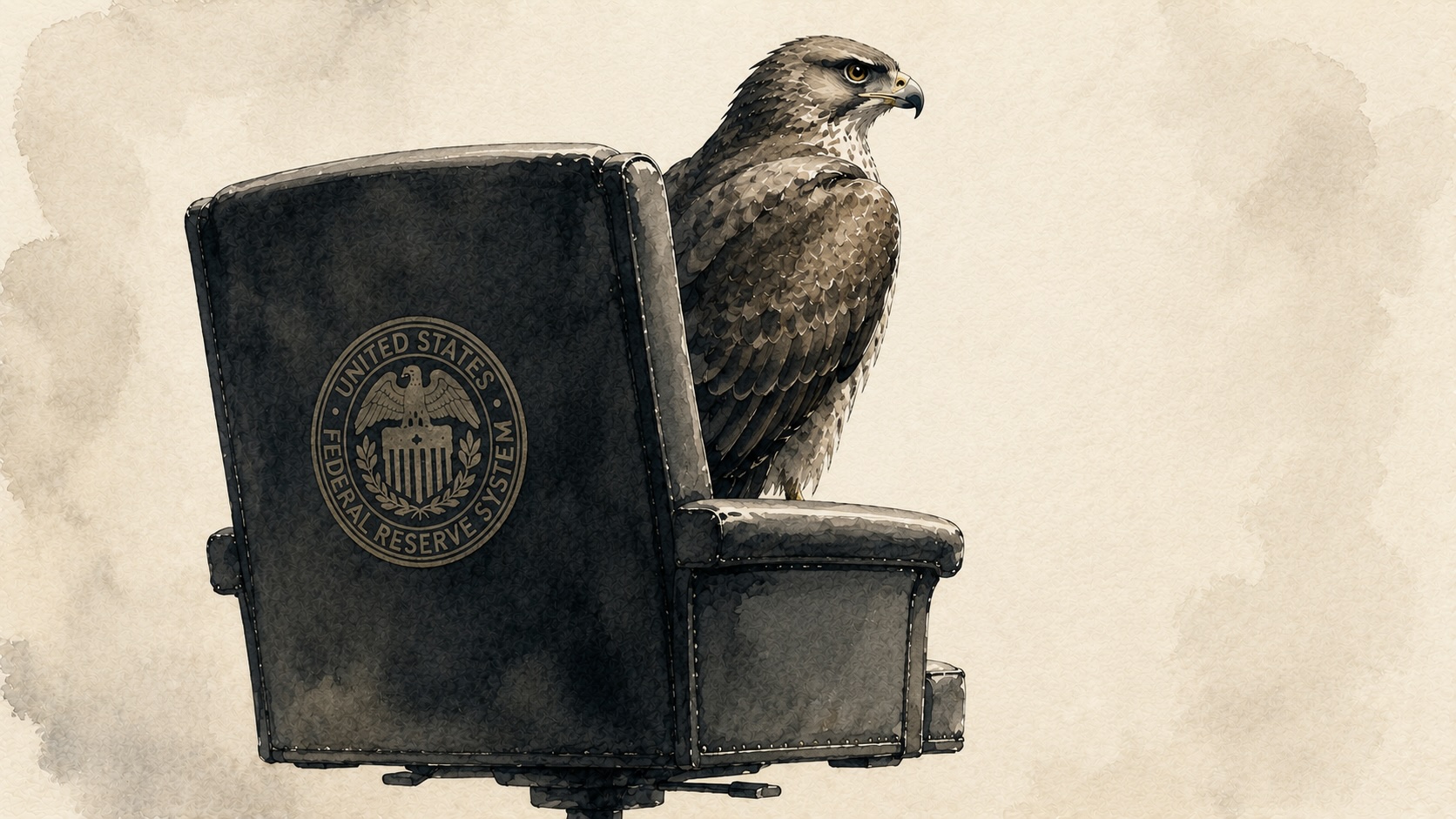
GOP lawmakers push NDAA amendment to stop the Federal Reserve from creating or testing a central bank digital currency.
House Republicans inserted language into the fiscal 2026 defense policy bill (H.R. 3838) that would ban the Federal Reserve from creating a central bank digital currency. The amendment prohibits the Fed from testing, developing, or issuing a digital dollar (CBDC).
The CBDC language appears as Title LI within Division E of the House's National Defense Authorization Act, a 1,300-page package that outlines defense policy and authorizations for the next fiscal year. The Rules Committee posted the updated draft ahead of floor consideration.
The amendment mirrors provisions backed by House Majority Whip Tom Emmer and other Republicans. They argue that a government-issued digital currency would enable financial surveillance and harm the banking system.
Section 5102 would amend the Federal Reserve Act to prevent any Federal Reserve bank from issuing a CBDC or keeping accounts for individuals. Section 5103 would stop the Fed from offering a CBDC through banks or other intermediaries. Section 5104 would prohibit the Board of Governors and the Federal Open Market Committee from testing, studying, developing, creating, or implementing a CBDC.
The bill includes one exception for any dollar-denominated currency that is “open, permissionless, and private,” and fully preserves the privacy protections of U.S. coins and physical currency. The measure also states Congress believes the Fed currently lacks authority to issue a CBDC without explicit congressional approval.
The Rules Committee placed the CBDC restrictions as a standalone title in the NDAA, making the policy more visible as the defense bill goes to the House floor and potentially to Senate negotiations. Last month, House lawmakers separately approved the Anti-CBDC Surveillance State Act (H.R. 1919), which would impose similar limits on the central bank. That bill awaits Senate consideration.
The content on The Coinomist is for informational purposes only and should not be interpreted as financial advice. While we strive to provide accurate and up-to-date information, we do not guarantee the accuracy, completeness, or reliability of any content. Neither we accept liability for any errors or omissions in the information provided or for any financial losses incurred as a result of relying on this information. Actions based on this content are at your own risk. Always do your own research and consult a professional. See our Terms, Privacy Policy, and Disclaimers for more details.
Articles by this author