Lockheed Martin’s $67B 2023 revenue driven by jets, missiles
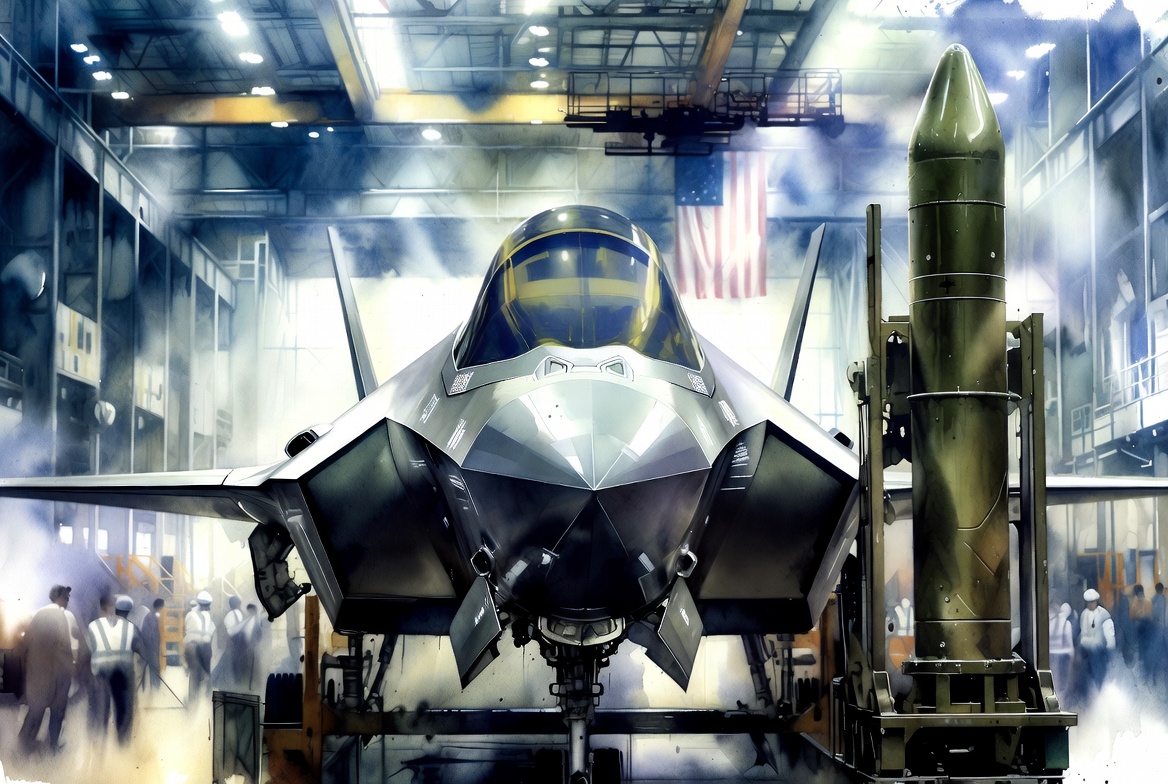
Lockheed Martin reported $67.0 billion in sales in 2023, led by F-35 production, missiles, long-term maintenance contracts and major U.S. and allied procurement deals.
Lockheed Martin reported $67.0 billion in sales in 2023, driven by production and sustainment of fighter jets, missiles, long-term maintenance contracts and large procurement deals with the U.S. government and allied nations.
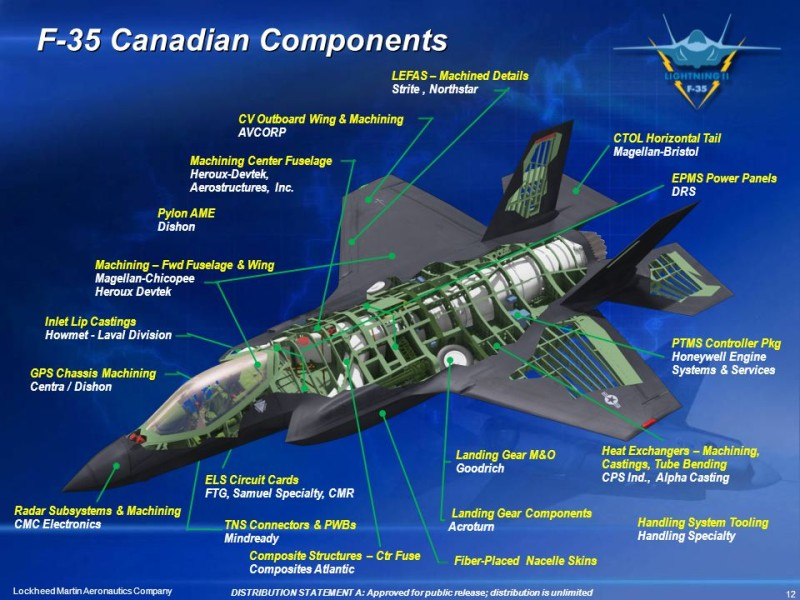
The company's aeronautics unit is anchored by the F-35 joint strike fighter, its largest ongoing program. Lockheed supplies aircraft to the U.S. military and partner countries; follow-on orders, modernization work and aftermarket services generate revenue from new jets, spare parts, upgrades and training. The company also produces and supports other fixed- and rotary-wing platforms through new-build contracts, upgrade packages and sustainment agreements.
Lockheed’s missiles and strike systems business develops and manufactures tactical and strategic munitions and missile-defense systems. Contracts cover supply and modernization work for U.S. forces and international customers, including long-range strike weapons, precision air-to-surface munitions and integrated air-and-missile defense systems with interceptors and ground sensors.
Services and sustainment contracts provide recurring revenue through maintenance, repair, overhaul and logistics work. Long-term agreements include depot maintenance, spare parts provisioning, software and avionics updates, training for aircrews and ground personnel, and cybersecurity support for weapons systems and command networks. Many of these contracts extend for decades and support fleet readiness and upgrades.
Large awards from the U.S. Department of Defense and allied procurement programs form a substantial portion of the company’s backlog. Rising defense budgets and modernization programs among NATO and Indo-Pacific partners have translated into multi-year production lots, foreign military sales and supporting sustainment contracts. International orders arrive via direct purchases and U.S.-led foreign military sales that bundle equipment, training and long-term support.
Lockheed is investing in next-generation capabilities, including advanced missile technologies, hypersonic research, electronic warfare systems and space platforms. Those efforts encompass prototype development, testing programs and potential production contracts.
Analysts note the combination of large, near-term production contracts and long-term sustainment work contributes to predictable revenue streams for prime defense contractors. Lockheed's business model developed over decades of government contracting, evolving from aircraft manufacturing into a broader role in missiles, sensors and systems integration. The multinational F-35 program, launched in the early 2000s, remains the company's flagship production line.
The content on The Coinomist is for informational purposes only and should not be interpreted as financial advice. While we strive to provide accurate and up-to-date information, we do not guarantee the accuracy, completeness, or reliability of any content. Neither we accept liability for any errors or omissions in the information provided or for any financial losses incurred as a result of relying on this information. Actions based on this content are at your own risk. Always do your own research and consult a professional. See our Terms, Privacy Policy, and Disclaimers for more details.
Articles by this author