How many Americans have $1 million saved for retirement?

New data finds a small share of U.S. households have $1 million or more in retirement accounts, concentrated among older, higher-earning, college-educated and White households.
New research released this year shows a small share of American households have accumulated $1 million or more in retirement accounts. The analysis covers 401(k) plans, IRAs and other defined-contribution accounts across the United States.
Seven-figure balances are concentrated among older workers and higher earners. The probability of reaching $1 million rises sharply for people in their late 50s and 60s and for households above the median income; balances are rare for workers under 40.
Access to employer matching and steady contributions over many years are common among households that reach $1 million. The report found long-term savers who stayed in employer-sponsored plans or rolled balances into IRAs more often report seven-figure totals.
Location and education correlate with outcomes. Households in higher-cost metropolitan areas and states with large concentrations of high-paid industries hold a disproportionate share of million-dollar retirement accounts. College-educated households are overrepresented among those with seven-figure balances.
The data show racial differences. White households are more likely to have crossed the $1 million threshold than Black and Hispanic households. Researchers attribute those gaps to differences in earnings, overall wealth and access to retirement plans.
Among accounts that reached seven figures, many combine 401(k) and IRA balances, and some include rollovers from pensions or previous employers. Households that still receive defined-benefit pension payments often have higher total retirement resources than those relying only on defined-contribution accounts.
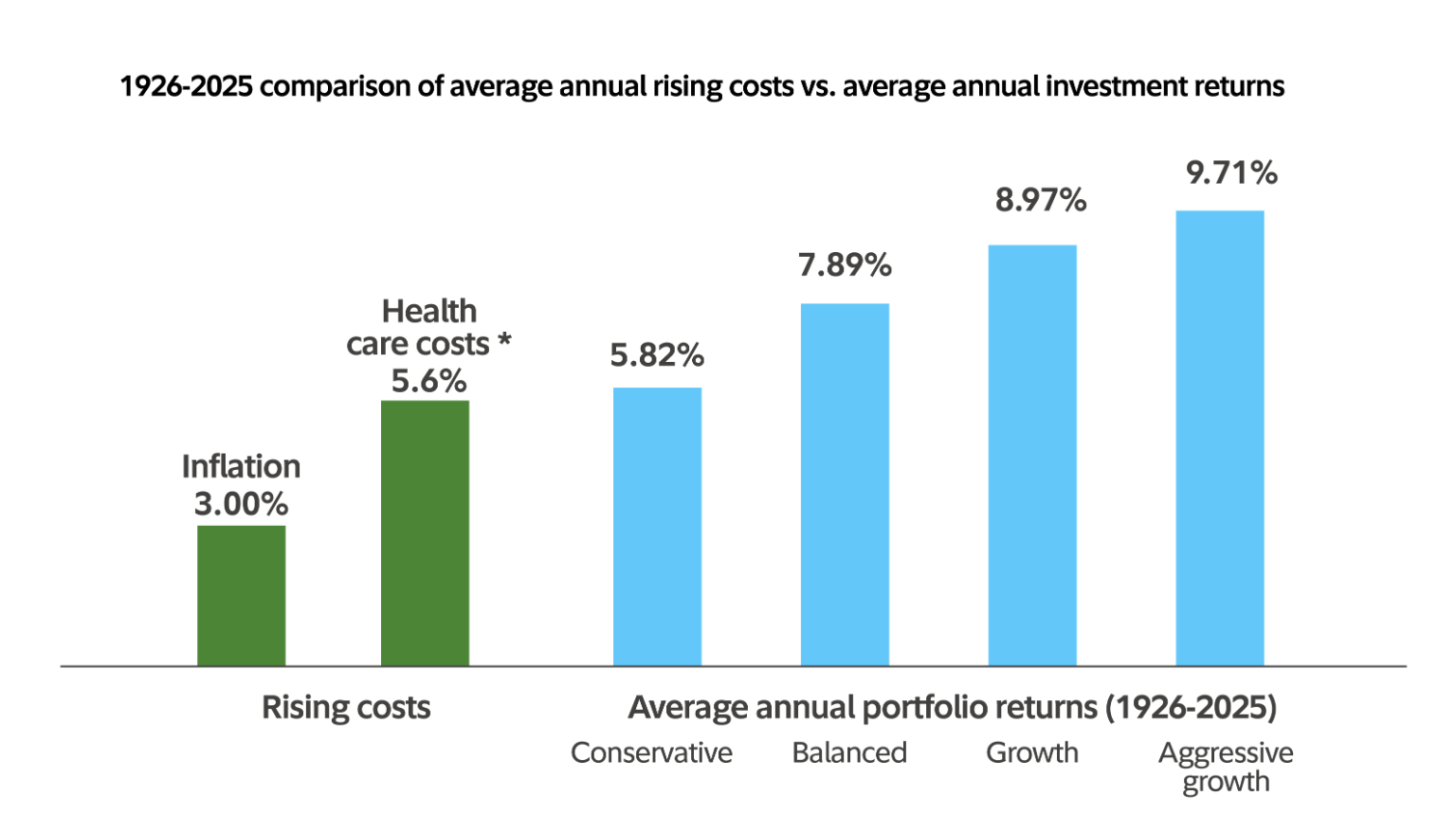
Recent equity market gains increased retirement balances for many savers, but gains were not evenly distributed. Households with larger equity exposure saw bigger increases in account values, while lower-income or intermittently employed workers experienced smaller improvements.
The report notes that holding $1 million in retirement accounts does not by itself ensure secure retirement income. Converting a balance into sustainable income depends on withdrawal rates, life expectancy, Social Security benefits and other household assets.
The analysis recommends expanding access to workplace retirement plans, encouraging early and consistent saving, and employer practices that boost participation and matching. It also calls for targeted policy steps to address the demographic gaps in retirement wealth.
The content on The Coinomist is for informational purposes only and should not be interpreted as financial advice. While we strive to provide accurate and up-to-date information, we do not guarantee the accuracy, completeness, or reliability of any content. Neither we accept liability for any errors or omissions in the information provided or for any financial losses incurred as a result of relying on this information. Actions based on this content are at your own risk. Always do your own research and consult a professional. See our Terms, Privacy Policy, and Disclaimers for more details.
Articles by this author