Fed: Net Worth Varies Widely Among Americans 55 to 64

Federal Reserve data shows married, higher-income and homeowner households aged 55 to 64 have far higher net worth than single, lower-income and renter households due to asset mix and debt.
A Federal Reserve report finds large differences in net worth among Americans ages 55 to 64 based on household type, income and the mix of assets and debts households hold.
The analysis, drawn from household balance sheets and survey data, compares median and mean net worth across household types and income quintiles for people approaching traditional retirement age.
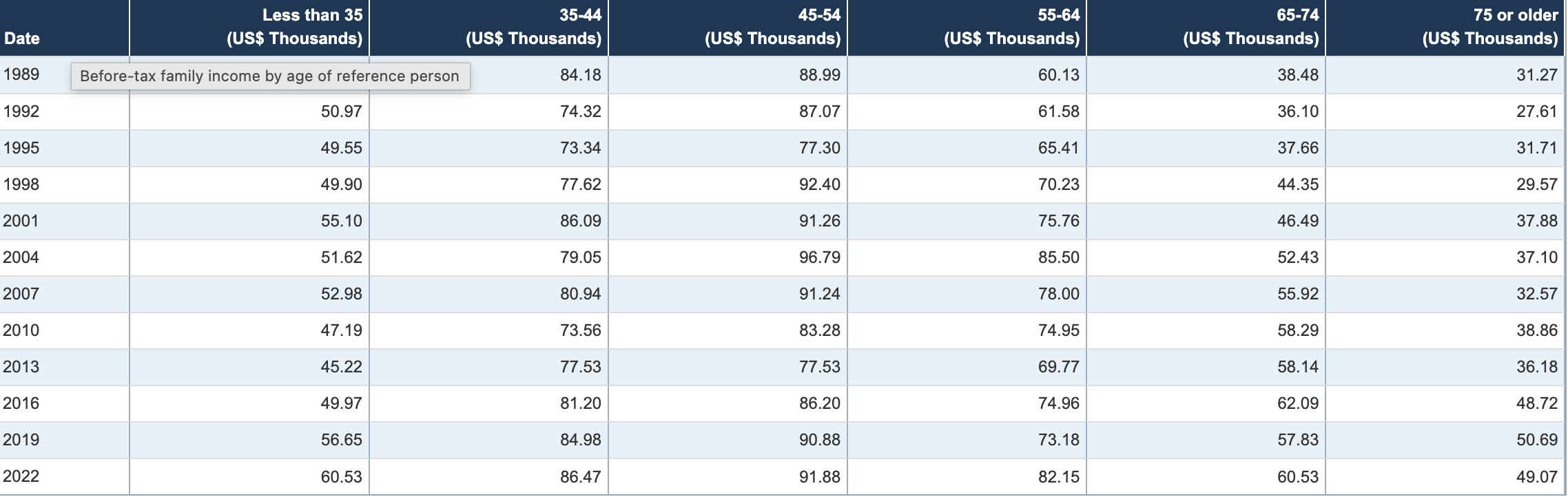
Married-couple households in the 55-to-64 age range report higher median and average net worth than single-person households. The top income groups hold a disproportionate share of financial assets such as stocks and defined contribution retirement accounts. Middle-income households report home equity as their largest asset, while higher-income households report larger holdings of financial assets and retirement savings.
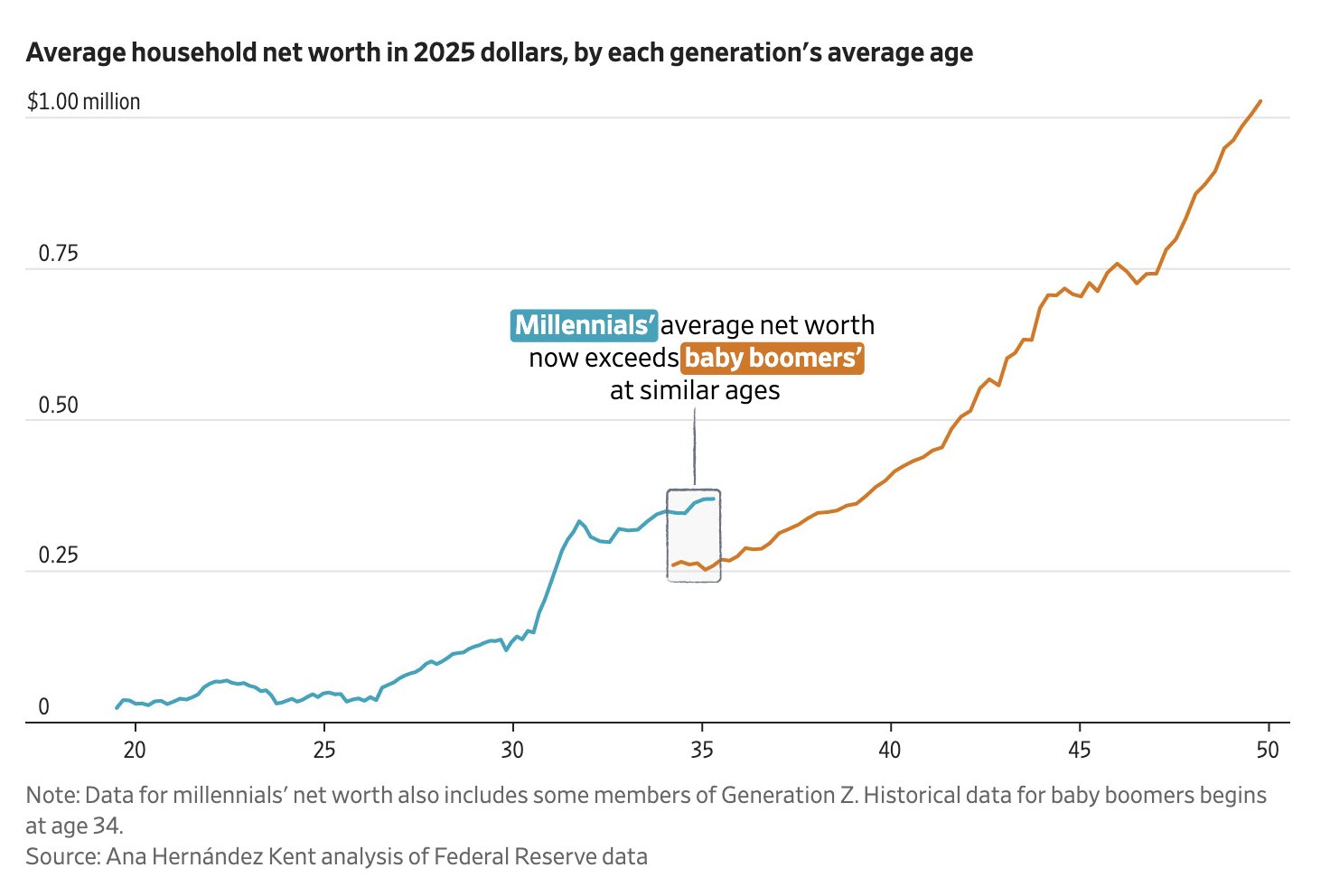
Net worth in this cohort is skewed to the top: mean net worth exceeds median net worth, reflecting large balances concentrated among higher-wealth households. Households that own employer retirement plans, individual retirement accounts or taxable investment accounts tend to report higher net worth than similar households without those accounts. Higher levels of unsecured debt or large outstanding mortgages are associated with lower net worth.
Housing functions differently across the income distribution. For many middle-income households, home equity is the primary source of wealth accumulation. High-income households supplement or exceed home equity with financial assets. Renters in the 55-to-64 cohort generally report lower net worth than homeowners and are less likely to hold significant retirement account balances or stock holdings.
Income level is strongly correlated with net worth in the report. Households in the top income quintile have much higher median and mean net worth than those in lower quintiles, driven by greater participation in stock markets, larger retirement account balances and higher homeownership rates. Lower-income households report smaller retirement savings, greater reliance on expected Social Security benefits and more frequent consumer or medical debt that reduces measured net worth.
The report documents variation within subgroups. Single heads of household, and single women in particular, report lower net worth than married couples. Households that report owning private business equity or large stock portfolios appear near the top of the wealth distribution for this age group.
Federal Reserve analysts note differences in asset composition have implications for options available when approaching retirement. Households concentrated in illiquid assets such as home equity may face different pathways to generating retirement income than households holding financial assets that can be drawn down or converted to annuities. Outstanding mortgage and other debt obligations can offset asset holdings and reduce net worth as households plan retirement spending.
The report maps disparities across household types and income groups and documents the asset and liability patterns that produce those disparities. It serves as a baseline for measuring how wealth is distributed among Americans nearing retirement.
The content on The Coinomist is for informational purposes only and should not be interpreted as financial advice. While we strive to provide accurate and up-to-date information, we do not guarantee the accuracy, completeness, or reliability of any content. Neither we accept liability for any errors or omissions in the information provided or for any financial losses incurred as a result of relying on this information. Actions based on this content are at your own risk. Always do your own research and consult a professional. See our Terms, Privacy Policy, and Disclaimers for more details.
Articles by this author