Elizabeth Warren Accuses Crypto Lobby of Pushing Bills to Enrich Trump

Senator Warren warns new stablecoin rules could enrich Trump while undermining protections against corruption and money laundering.
Senator Elizabeth Warren said that cryptocurrency legislation written by industry groups would benefit President Trump's personal financial interests. The Massachusetts Democrat called for Congress to strengthen rules around stablecoins and digital assets instead of passing industry-backed proposals.
Warren made her comments in recent public statements and social media posts. She argued that recent crypto bills lack proper limits on corruption, consumer protection, and money laundering.
Her remarks target two specific pieces of legislation. The GENIUS Act became law on July 18 after President Trump signed it at the White House. This stablecoin bill creates federal standards for payment stablecoin companies and requires them to follow anti-money laundering rules.
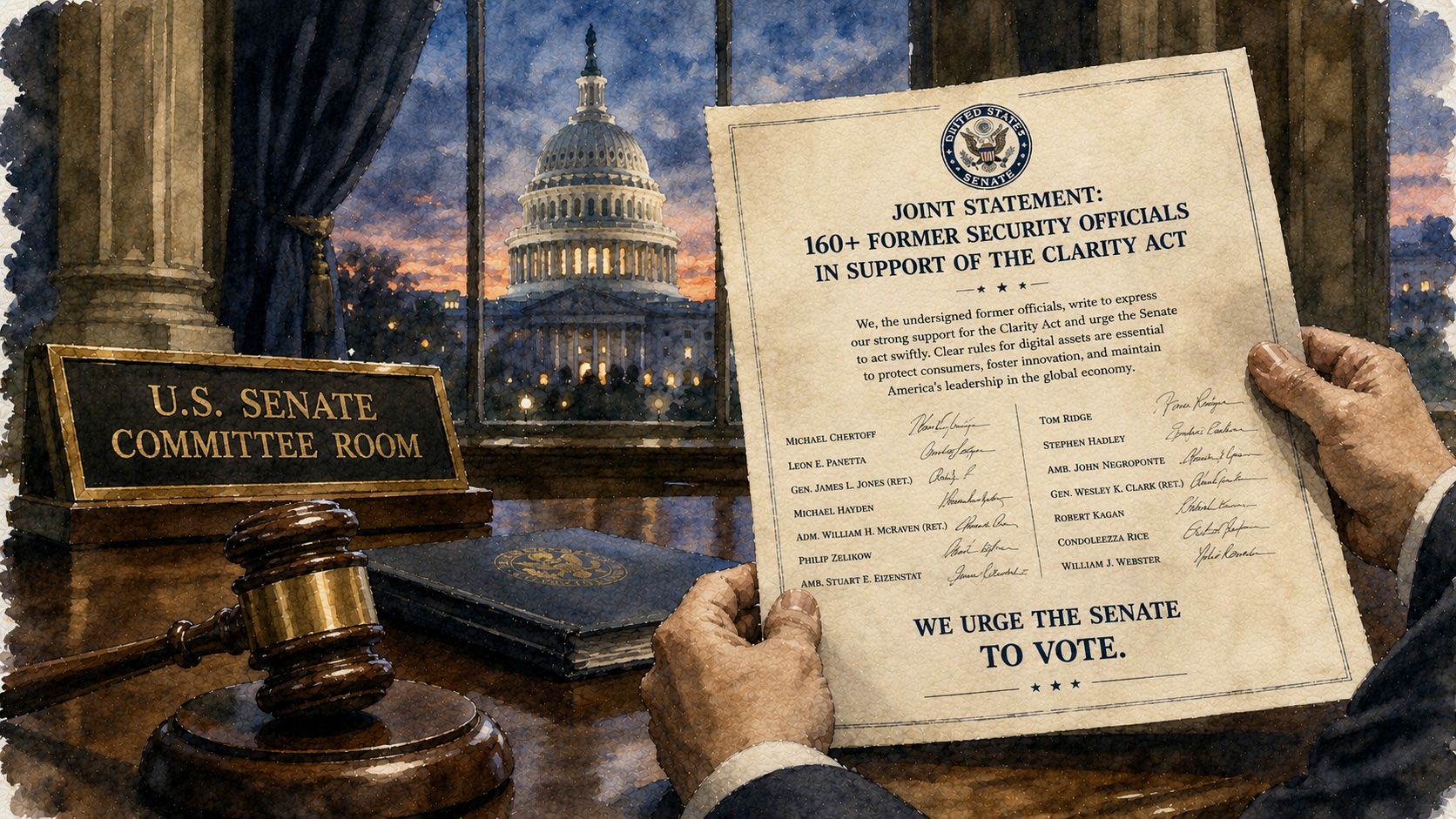
The CLARITY Act passed the House on July 17 and now waits for Senate consideration. This bill assigns regulatory duties to the SEC and CFTC while establishing how federal agencies will classify different types of tokens.
Warren repeatedly pointed to Trump's direct involvement in crypto businesses as a conflict of interest. She specifically mentioned World Liberty Financial's launch of the USD1 stablecoin and Trump's earlier promotion of a meme token.
In May, Warren warned other senators that expanding stablecoin markets without stronger ethics rules could financially benefit the president and his associates. She added that proper regulation should not be written by the crypto industry, which supercharges this kind of corruption.
As the top Democrat on the Senate Banking Committee, Warren consistently opposed crypto policies she considers too lenient. Earlier this year, she urged fellow Democrats to vote against the GENIUS Act unless it included changes to address ethics concerns and national security issues related to presidential involvement in digital assets.
The House passed several crypto bills in July following increased industry lobbying efforts. These votes set up a Senate debate over how to divide regulatory oversight between different federal agencies.
The content on The Coinomist is for informational purposes only and should not be interpreted as financial advice. While we strive to provide accurate and up-to-date information, we do not guarantee the accuracy, completeness, or reliability of any content. Neither we accept liability for any errors or omissions in the information provided or for any financial losses incurred as a result of relying on this information. Actions based on this content are at your own risk. Always do your own research and consult a professional. See our Terms, Privacy Policy, and Disclaimers for more details.
Articles by this author