Crypto VCs tighten standards as token exits fade

Crypto venture capitalists are tightening funding standards as token exits weaken and capital shifts to AI, favoring startups with users and revenue.
Venture capital firms focused on crypto are narrowing what they will fund as token-based exits weaken and investor attention shifts toward AI and revenue-bearing startups.
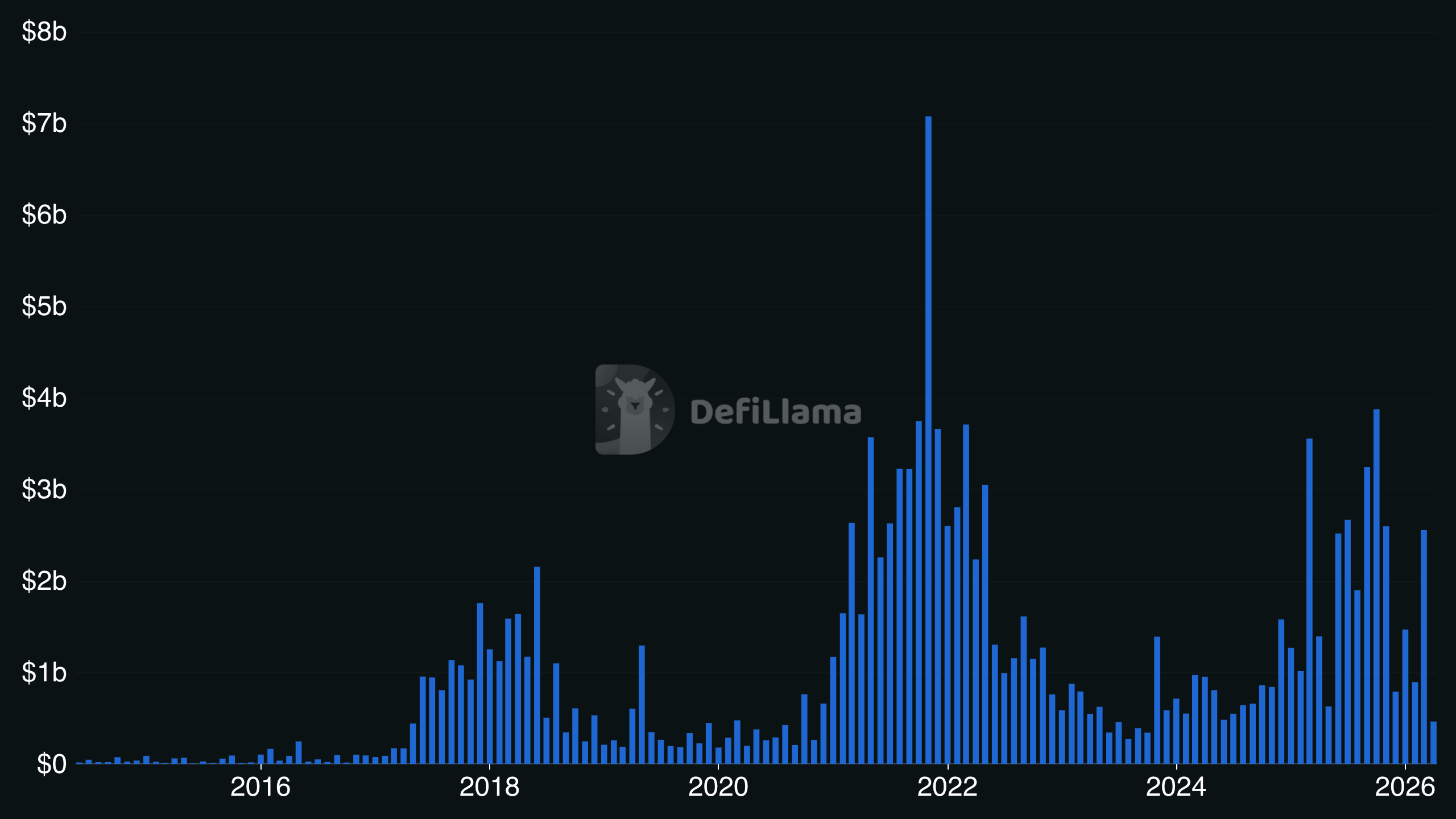
Investors point to the 2021–22 capital surge followed by the 2022 market downturn and increased regulatory scrutiny as drivers of the change. Weak token economics and limited secondary liquidity exposed risks for projects that launched at high valuations.
Limited partners have become more cautious after funds that deployed heavily in 2020–22 have not returned major capital. Fund managers who launched during that period report difficulty raising new vehicles as LPs demand clearer pathways to returns.
Paul Brody, founder and CEO of Nightfall Networks, described a marked change in investor expectations. “The level of impatience for quick returns surprised me,” he noted, and added that rapid AI revenue growth has raised standards for how quickly startups are expected to scale income.
Investors identified problems in token designs as a key factor. Thomas Klocanas, managing partner at Strobe Ventures, observed that many token launches featured low float and large future unlocks, which depressed secondary prices and reduced liquidity. Anirudh Pai, partner at Robot Ventures, characterized the token model as unreliable for predictable exits.
Some investors view the current weakness in tokens as cyclical. Cosmo Jiang, general partner at Pantera Capital, called the downturn a cycle and said token-based capital formation remains an important innovation. Ray Hindi, co-founder and managing partner of L1D AG, predicted stronger venture vintages in 2026–27 as competition eases and governance around tokens improves.
Fundraising for crypto-focused VCs remains constrained. Jed Breed, founder of Breed VC, described raising a fund as the hardest part of operating in crypto today. Newer funds that raised in 2024 and 2025 have struggled to demonstrate performance, limiting fresh commitments from LPs.
Investors also report a shift of talent and capital to AI. Anirudh Pai noted that many would-be crypto founders and some LP dollars have moved to AI startups, reducing marginal capital available to crypto projects.
Deal flow is concentrating on areas with clearer user demand and revenue potential. Sectors cited by investors include stablecoins, payments, tokenization and real-world assets, prediction markets and financial infrastructure. Equity investments are receiving renewed emphasis, and token use is being evaluated for clear value accrual and realistic vesting schedules.
Some venture leaders expect closer alignment between crypto and traditional venture investing. Tom Dunleavy of Varys Capital predicted that crypto underwriting will rely more on fundamentals as projects integrate with AI and finance. Richard Galvin, executive chairman and CIO at Digital Asset Capital Management, said pre-product, pre-revenue token launches are unlikely to command the high valuations seen in earlier cycles.
Investors describe the current phase as a market reset with tougher fundraising, greater scrutiny of token economics and a higher bar for traction. They report that startups seeking venture capital are increasingly being evaluated on user growth and revenue.
The content on The Coinomist is for informational purposes only and should not be interpreted as financial advice. While we strive to provide accurate and up-to-date information, we do not guarantee the accuracy, completeness, or reliability of any content. Neither we accept liability for any errors or omissions in the information provided or for any financial losses incurred as a result of relying on this information. Actions based on this content are at your own risk. Always do your own research and consult a professional. See our Terms, Privacy Policy, and Disclaimers for more details.
Articles by this author