Aave seeks lift of $73M Arbitrum ETH freeze
Aave asked a federal court to lift an order freezing about $73 million in ether recovered by Arbitrum after the April 18 Kelp DAO exploit, saying the assets belong to victims, not alleged North Korean hackers.
Aave LLC filed an emergency motion in federal court asking the judge to lift a May 1 restraining order that froze roughly 30,766 ether, now valued at about $73 million, recovered by the Arbitrum protocol after the April 18 Kelp DAO exploit. The order currently prevents Arbitrum DAO from moving the recovered funds.
The plaintiffs seeking to attach the ether hold years-old terrorism judgments against North Korea and argue the recovered coins could satisfy those awards if the hacking group Lazarus is shown to be responsible for the attack. Aave challenged that claim in its filing, calling the attribution unproven and arguing temporary possession by a third party does not create ownership. The company asked the court to vacate the restraining notice or to require the plaintiffs to post a bond of at least $300 million to protect against potential damages if the freeze remains in place.
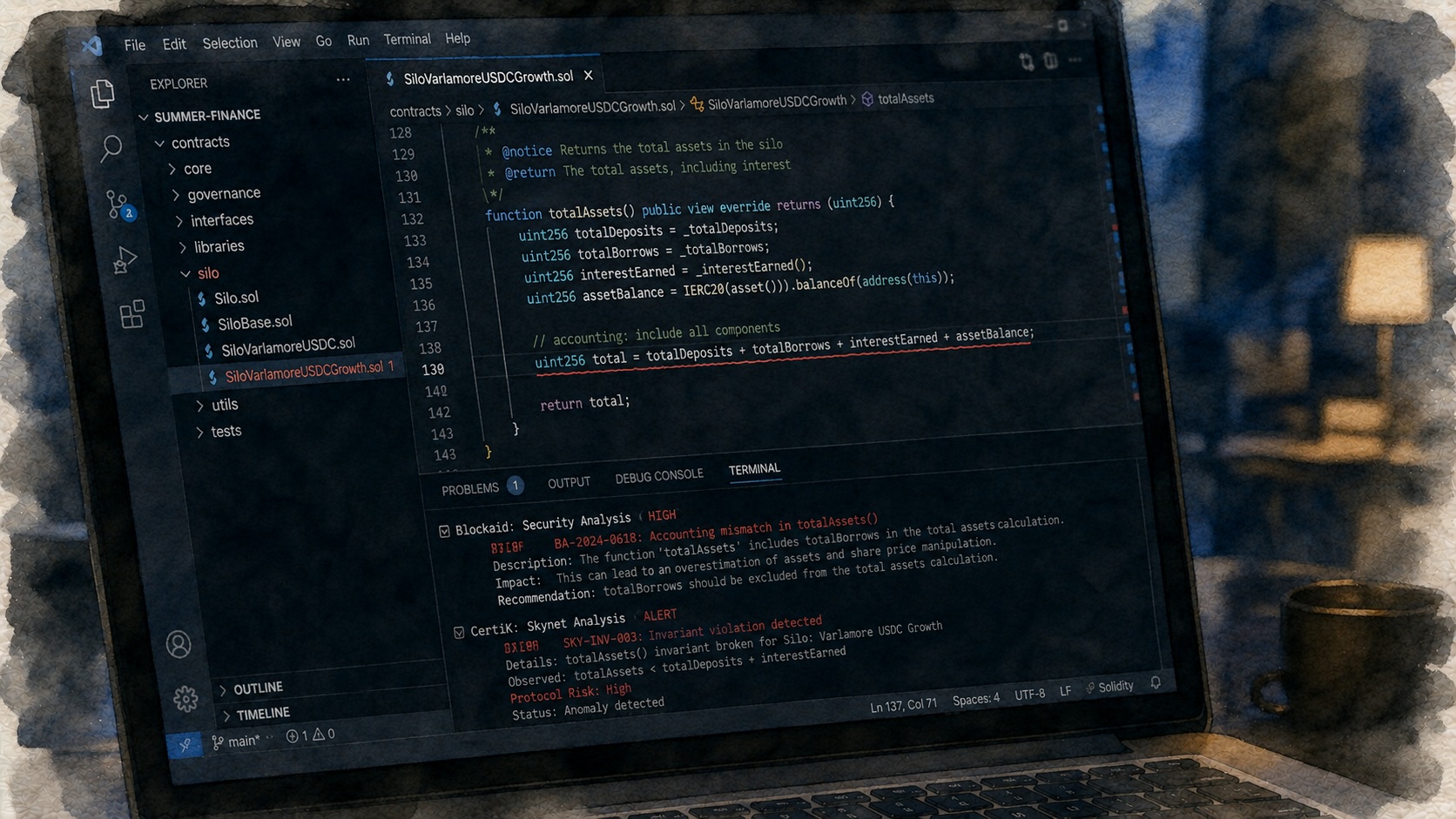
The exploit involved a flaw in a cross-chain bridge tied to Kelp DAO's rsETH token. A bad actor used unbacked collateral to borrow about $230 million in ether from Aave users. Soon after, the Arbitrum protocol intercepted 30,766 ETH and set those coins aside for recovery and reimbursement for affected users.
Those coins were expected to form the first major pool returned to victims. The recovery effort expanded into an industry collaboration called DeFi United, which has since gathered more than 137,700 ether, roughly $327 million. The larger pool remains subject to governance votes and the court-ordered freeze on the Arbitrum-held ether.
Aave’s filing labels the frozen coins “Immobilized Assets” and states they were taken from Aave protocol users, not owned by any alleged wrongdoer. Aave founder Stani Kulechov wrote in a statement, “A thief does not own what he steals,” and compared the situation to a robber whose stolen diamonds are recovered by a bystander. He added, “These funds belong to the affected users they were stolen from — full stop.”
The restraining order has paused Arbitrum DAO governance and recovery plans while the court considers the competing claims. If the court lifts the freeze, the recovered ether may be returned to victims or allocated through DeFi United’s governance and protocol votes. If the freeze remains, Aave is seeking financial protection against harms from delayed restitution.
The court’s ruling on Aave’s emergency motion will determine whether the frozen ether can be used in the broader recovery and reimbursement process and will clarify how recovered digital assets held by third parties can be treated in related civil enforcement actions.
The content on The Coinomist is for informational purposes only and should not be interpreted as financial advice. While we strive to provide accurate and up-to-date information, we do not guarantee the accuracy, completeness, or reliability of any content. Neither we accept liability for any errors or omissions in the information provided or for any financial losses incurred as a result of relying on this information. Actions based on this content are at your own risk. Always do your own research and consult a professional. See our Terms, Privacy Policy, and Disclaimers for more details.
Articles by this author