Top Tools for Blockchain Development

Smart contract development calls for reliable tools that boost both security and speed. How do Solidity and Hardhat help developers ship faster?
On this page
Blockchain is driving a wave of transformation across industries, and developers are the driving force behind the rise of decentralized apps.
In this piece, we break down the top tools that help developers:
- Efficiently build smart contracts
- Ensure security
- Scale their projects
Core Tools for Smart Contract Development
Building smart contracts requires a specialized toolkit to help developers build secure and reliable code for decentralized applications (dApps).
These tools typically include:
- Programming languages
- Testing and deployment frameworks
- Security-focused utilities
Choosing the right tools for your project is essential to ensure both functionality and security of your smart contracts.
Below is a closer look at the core tools that support building smart contracts on Ethereum and other blockchain networks.
Read more: Who Are Ethereum Core Developers?
Smart Contract Programming Languages
Let's take a closer look at two of the most popular programming languages used to develop smart contracts on Ethereum:
1. Solidity
Solidity serves as the main language for developing smart contracts on Ethereum. Designed with decentralized applications in mind, it focuses on delivering both security and efficiency in blockchain environments.
Its syntax is similar to JavaScript, which helps developers with web experience quickly adapt to writing smart contracts.
Solidity includes key concepts such as:
- Inheritance
- Libraries
- Interfaces
As a result, these features allow developers to build complex and scalable smart contracts.
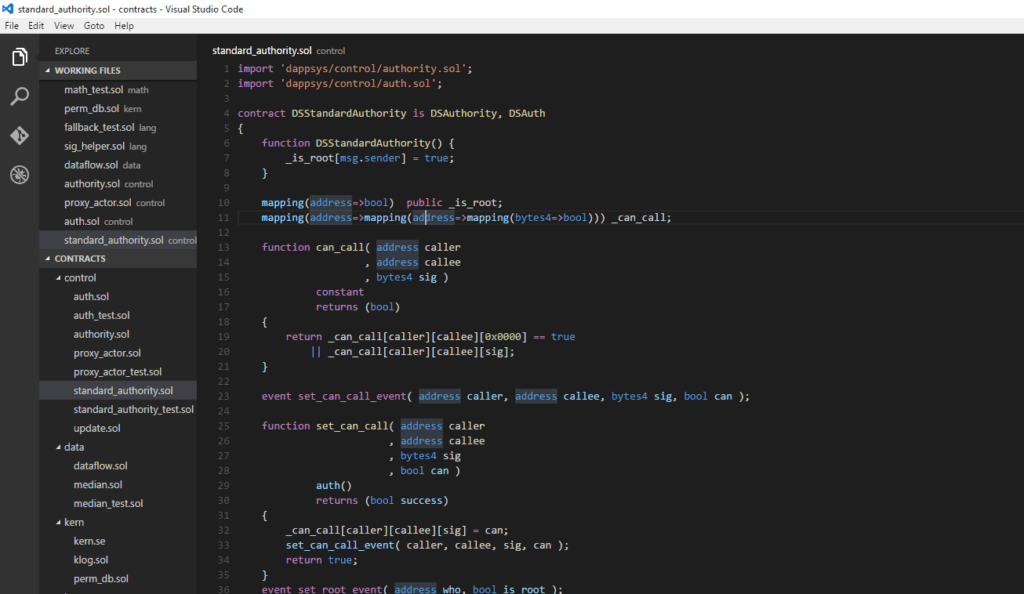
Solidity powers many leading crypto projects, including Uniswap, MakerDAO, and others. Its well-developed toolset, strong support within the Ethereum ecosystem, and extensive documentation make it the most sought-after language for Ethereum development. Consequently, mastering Solidity remains a core skill for blockchain engineers.
2. Vyper
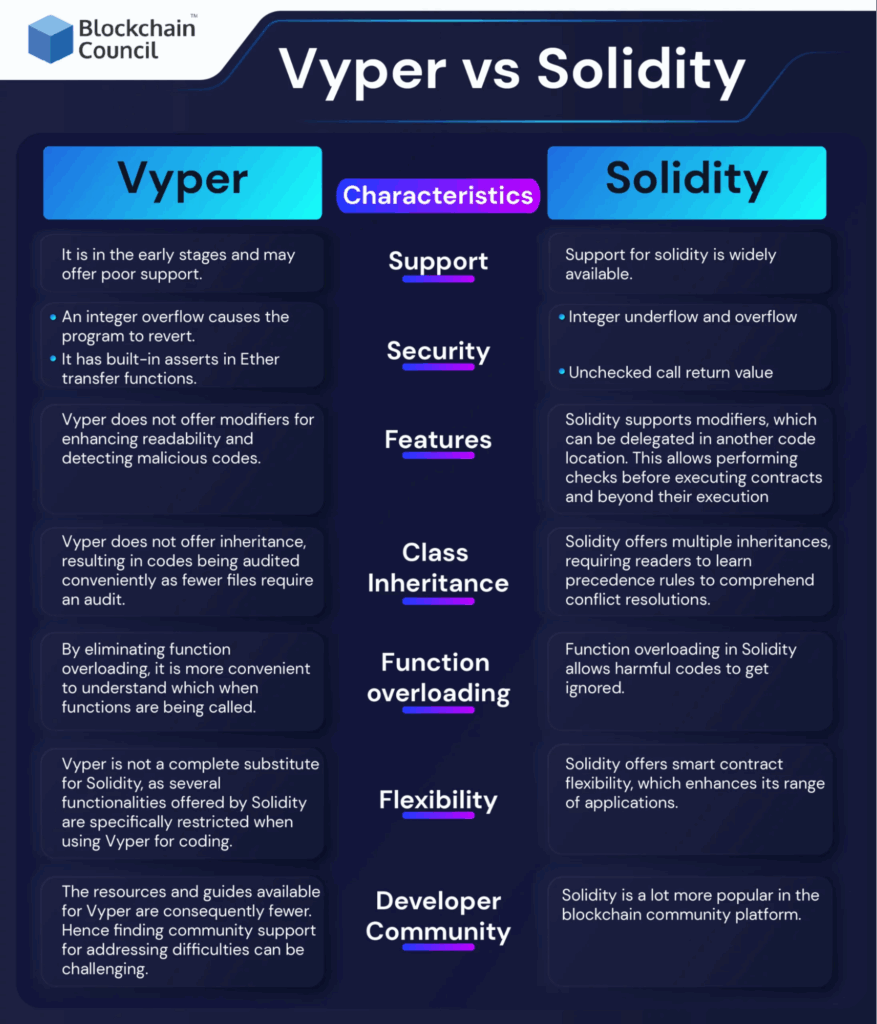
Vyper is an alternative programming language for writing smart contracts on Ethereum. It focuses on simplicity and security. Unlike Solidity, Vyper avoids complex features that could create code vulnerabilities. Its clean and strict syntax helps developers reduce mistakes and makes the auditing process easier.

The main distinction between Vyper and Solidity lies in Vyper’s deliberate omission of complex features like inheritance and recursive functions. This approach makes the code more transparent and easier to audit.
As a result, many developers choose Vyper for projects that demand high levels of trust and reliability. Although it's less popular than Solidity, Vyper remains in active use within several security-focused blockchain apps.
Related: Best Blockchain Courses to Boost Your Career in Web3
Frameworks for Testing and Deploying Smart Contracts
To build, test, and deploy smart contracts efficiently, developers use specialized frameworks.
Hardhat provides a complete toolset for compiling, testing, and deploying contracts.
Key Features:
- Interactive development environment: Hardhat offers a local blockchain for testing, allowing developers to simulate contract interactions on their own machine before deploying to a live network.
- Plugin support: The framework is highly extensible through plugins. Developers can add features like automatic contract deployment, code coverage analysis, and integration with external services.
- Network connectivity: The framework makes it easy to connect to both mainnet and testnets on Ethereum for deploying and testing smart contracts.
Advantages:
- Supports both contract testing and deployment.
- Offers powerful JavaScript tools, including the Hardhat-ethers library.
- Easy to use, with well-structured documentation and an active community.
Foundry is a high-performance framework for developing and testing smart contracts on Ethereum, built using the Rust programming language.
Key Features:
- Speed: Built with Rust, Foundry delivers significantly faster testing and compilation compared to other frameworks.
- Solidity compatibility: Fully integrates with Solidity for seamless contract development and testing.
- Simple interface: Offers a streamlined command-line interface (CLI) for efficient contract interaction.
- Built-in testing tools: Developers can easily create and run unit tests.
Advantages:
- High performance
- Easy to use
- Flexible configuration options
- Active community and frequent updates
For a comprehensive list of frameworks across different networks, visit: https://www.alchemy.com/dapps/best/development-frameworks
Blockchain Platforms
Ethereum, Solana, and Polkadot are among the top blockchain platforms used for developing decentralized applications.
- Ethereum leads the way with full smart contract functionality and a wide-ranging ecosystem. It offers developers the tools they need to build and launch dApps effectively.
- Solana is known for fast transaction speeds and low fees, which makes it a strong choice for scalable apps.
- Polkadot focuses on cross-chain interaction, allowing different blockchains to share data and assets, opening new development opportunities.
Security and Testing Tools
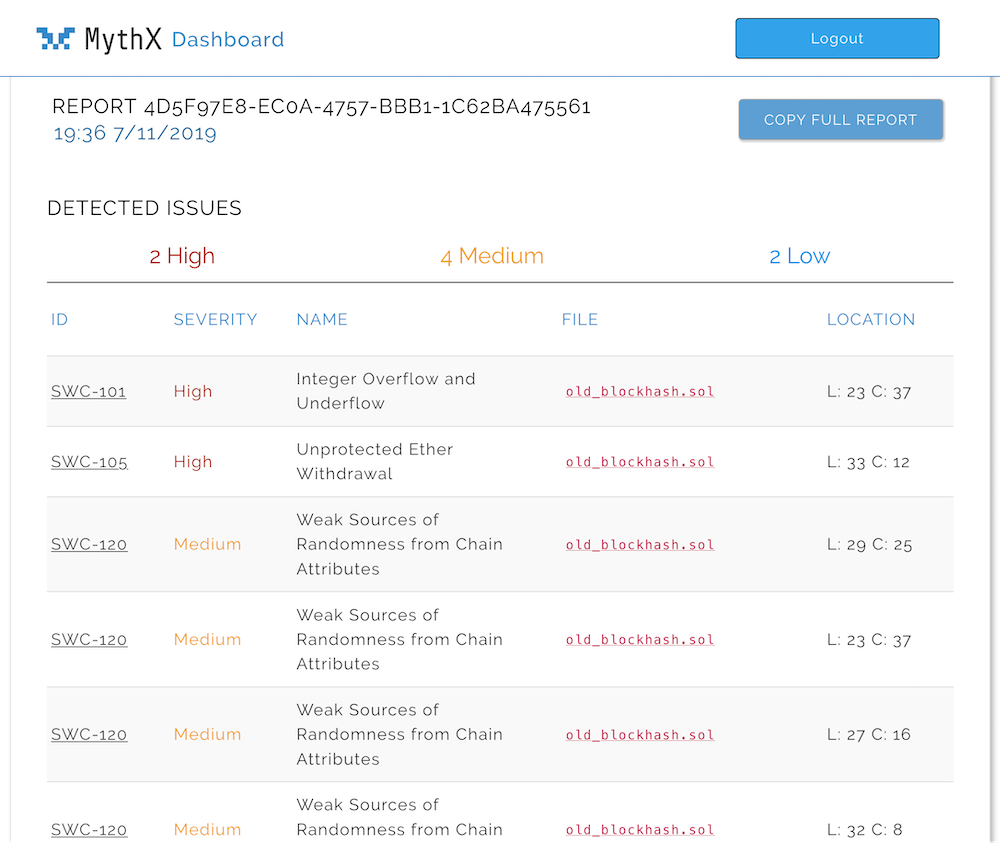
MythX and Slither are two powerful tools designed to help developers identify vulnerabilities and improve the reliability of their smart contracts.
MythX is a security analysis service that uses machine learning and static code analysis to examine smart contracts. It scans for known vulnerabilities such as buffer overflows, access control flaws, and other security-related risks.
Additionally, the platform generates detailed reports with actionable recommendations, making it an essential tool for developers who prioritize security in their apps.
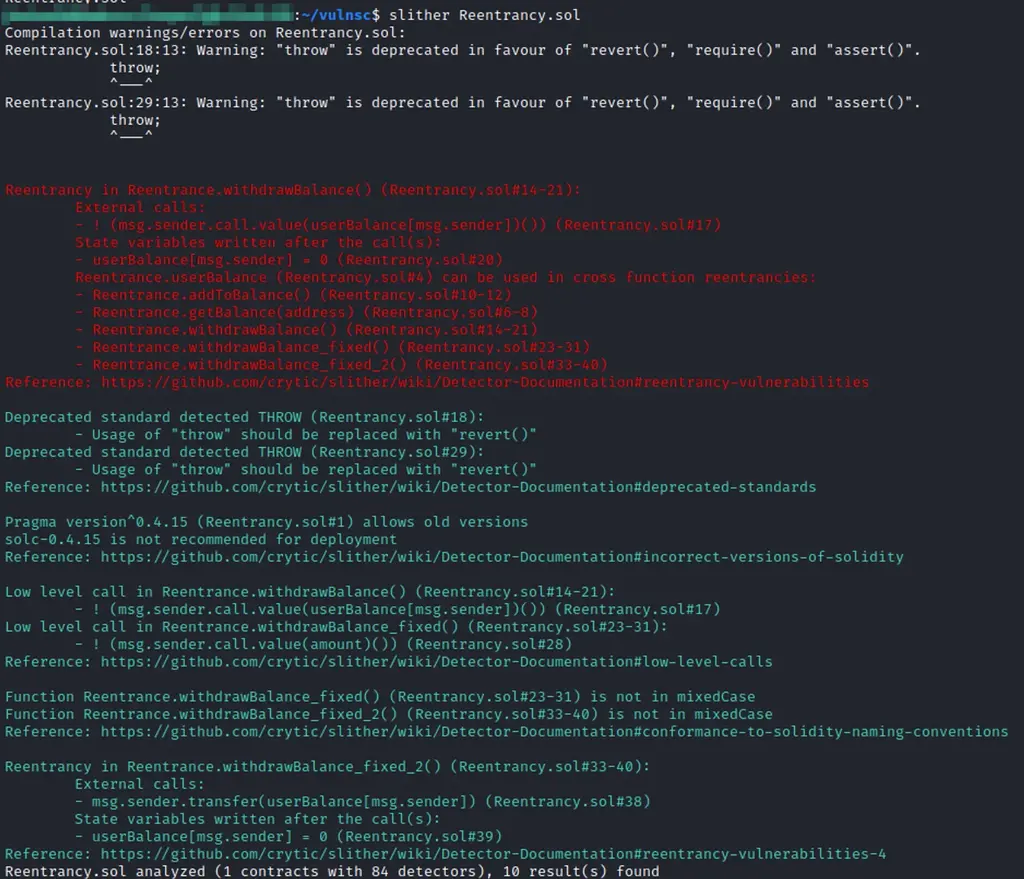
Slither is a static analysis tool for smart contracts designed to detect vulnerabilities and code flaws in Solidity. It scans contracts for common security issues such as improper state management, memory-related vulnerabilities, and other errors.
In addition to built-in checks, Slither supports custom analysis rules and can be integrated with other tools for more advanced testing. It is especially useful for identifying bugs early in the development cycle and improving code quality before deploying to the blockchain.
No Way Around It
Writing smart contracts in Solidity or Vyper, paired with development frameworks like Hardhat and Foundry, gives developers a full toolkit for building, testing, and deploying on-chain applications.
These tools help:
- Reduce coding time
- Improve security and performance
- Easily integrate contracts into decentralized apps
Read more: 5 Bug Bounty Platforms in Web3 to Earn Money From
The content on The Coinomist is for informational purposes only and should not be interpreted as financial advice. While we strive to provide accurate and up-to-date information, we do not guarantee the accuracy, completeness, or reliability of any content. Neither we accept liability for any errors or omissions in the information provided or for any financial losses incurred as a result of relying on this information. Actions based on this content are at your own risk. Always do your own research and consult a professional. See our Terms, Privacy Policy, and Disclaimers for more details.
Articles by this author