

Cardano to Buy Bitcoin? Hoskinson Proposes Treasury Pivot
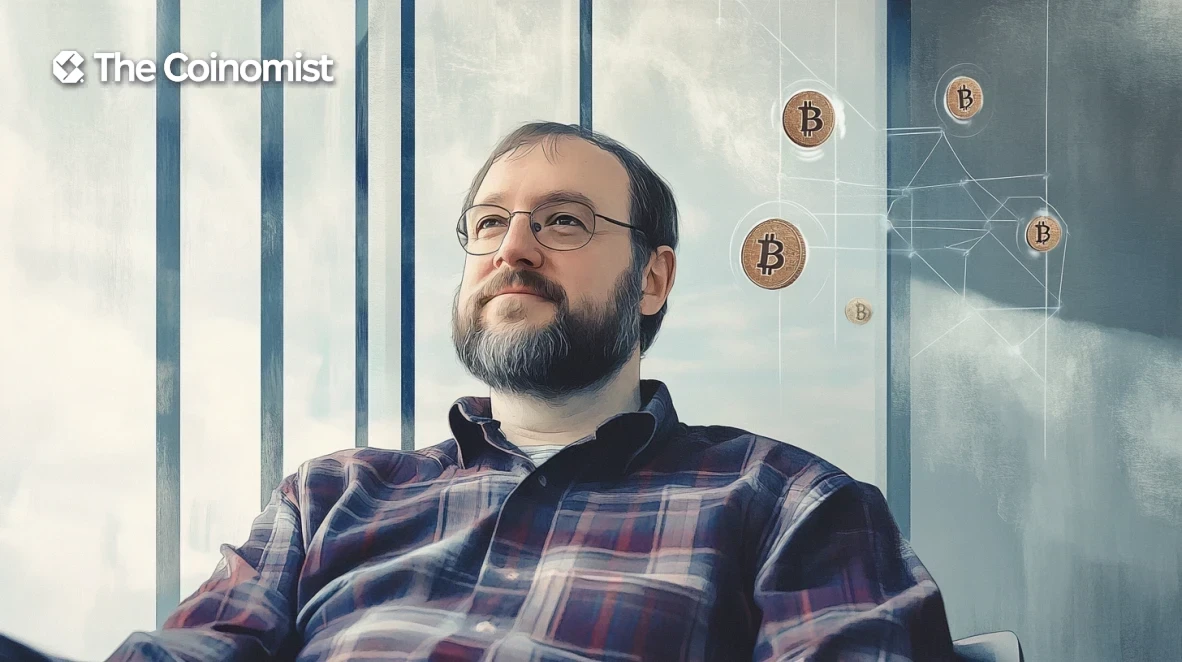
Charles Hoskinson proposes using part of Cardano’s $1.2B treasury to buy Bitcoin and stablecoins, sparking debate over ideology, risk, and long-term sustainability.
In a recent stream, Cardano founder Charles Hoskinson floated a provocative idea: convert 5–10% of the Cardano treasury from ADA into stablecoins and Bitcoin. His goal? To transform a passive treasury into an active, yield-generating sovereign wealth fund for the Cardano ecosystem.
Rethinking the Treasury: From Passive to Productive
Cardano's treasury is currently “push only” – funded by transaction fees and protocol inflation, but not designed to generate yield. Hoskinson sees this as a missed opportunity. Citing models like Norway's and Abu Dhabi's sovereign wealth funds, he proposes a pivot: put part of the treasury to work.
The treasury holds approximately 1.7 billion ADA, or roughly $1.2 billion at current valuations. Hoskinson suggests that even a partial conversion – say, $100 million worth – into yield-bearing assets could produce recurring income for the network. Over time, this income could be used to buy back ADA from the open market, supporting its price and ecosystem stability.
The Mechanics: How ADA Could Become BTC
To convert ADA into Bitcoin and stablecoins, Hoskinson envisions a strategy similar to Strategy's: time-weighted average pricing (TWAP), over-the-counter (OTC) trading, and iceberg orders. This would minimize price disruption, he argues, stating confidently that a $100 million ADA sale would cause less than 0.5% slippage.
The markets are deep enough to absorb this within 30–90 days… ADA is a well-traded asset with billions in daily volume.
— Hoskinson
The allocation would include ADA-backed stablecoins like iUSD, ecosystem tokens like USDM and USDA, with a portion also dedicated to Bitcoin.
Sovereign Wealth, Crypto Style
Hoskinson’s vision mirrors nation-state investment strategies. Yield from BTC or stablecoin strategies – possibly via real-world assets or DeFi products – would flow back into the treasury. A portion of those profits would be used to repurchase ADA, creating a self-reinforcing cycle.
Over 5–10 years, he envisions a treasury holding billions in diversified assets, not just ADA. This would prepare Cardano for a multi-asset future, particularly as partner chains like Midnight begin contributing tokens (e.g., DUST or KNGT) to the treasury.
The first thing you do when you have public assets is diversify them. Diversification preserves buying power.
Critics: Ideological and Practical Concerns
Still, the idea isn’t without controversy. Some critics argue that converting ADA into BTC or stablecoins is a tacit admission of ADA’s limitations. Others question whether funds should instead be used to grow DeFi protocols within Cardano’s own ecosystem, rather than investing in “foreign” assets like Bitcoin.
Concerns about governance also loom. Who decides the allocation? How transparent will management be? Could this introduce new centralization risks?
Hoskinson acknowledges these points. He envisions an elected board, decentralized oversight, and a smart contract framework (inspired by Sunday Labs and audited by TXPipe) to manage treasury withdrawals. He also hints at involving regulated Web3 asset managers to execute strategy professionally.
There’s a long road between idea and execution… But this is a conversation the ecosystem needs to have.
The Bigger Bet: Seeding Bitcoin DeFi
A notable dimension of this plan is using BTC not just for yield – but to jumpstart Bitcoin-based DeFi on Cardano. Hoskinson suggests an initial injection of $25–50 million in BTC could “prime the pump,” attracting other large holders and increasing TVL.
Cardano’s current DeFi-to-stablecoin ratio lags far behind Ethereum and Solana. Bridging that gap could improve Cardano’s standing in the broader DeFi race – and lead to stablecoin listings on more exchanges.
We have to be willing to invest in ourselves… If we won’t, why should anyone else?
A Maturity Test for the Cardano Community
What Hoskinson proposes is more than a financial tweak. It’s a litmus test: can a blockchain ecosystem mature into something resembling a sovereign digital economy, complete with a multi-asset treasury and long-term investment plan?
If successful, it could mark a turning point for Cardano – away from ideological purism and toward strategic pragmatism. But for now, the community must decide: build the next phase of Cardano on conviction alone, or back it with a working, diversified reserve.
The conversation has just begun.
The content on The Coinomist is for informational purposes only and should not be interpreted as financial advice. While we strive to provide accurate and up-to-date information, we do not guarantee the accuracy, completeness, or reliability of any content. Neither we accept liability for any errors or omissions in the information provided or for any financial losses incurred as a result of relying on this information. Actions based on this content are at your own risk. Always do your own research and consult a professional. See our Terms, Privacy Policy, and Disclaimers for more details.
Articles by this author







