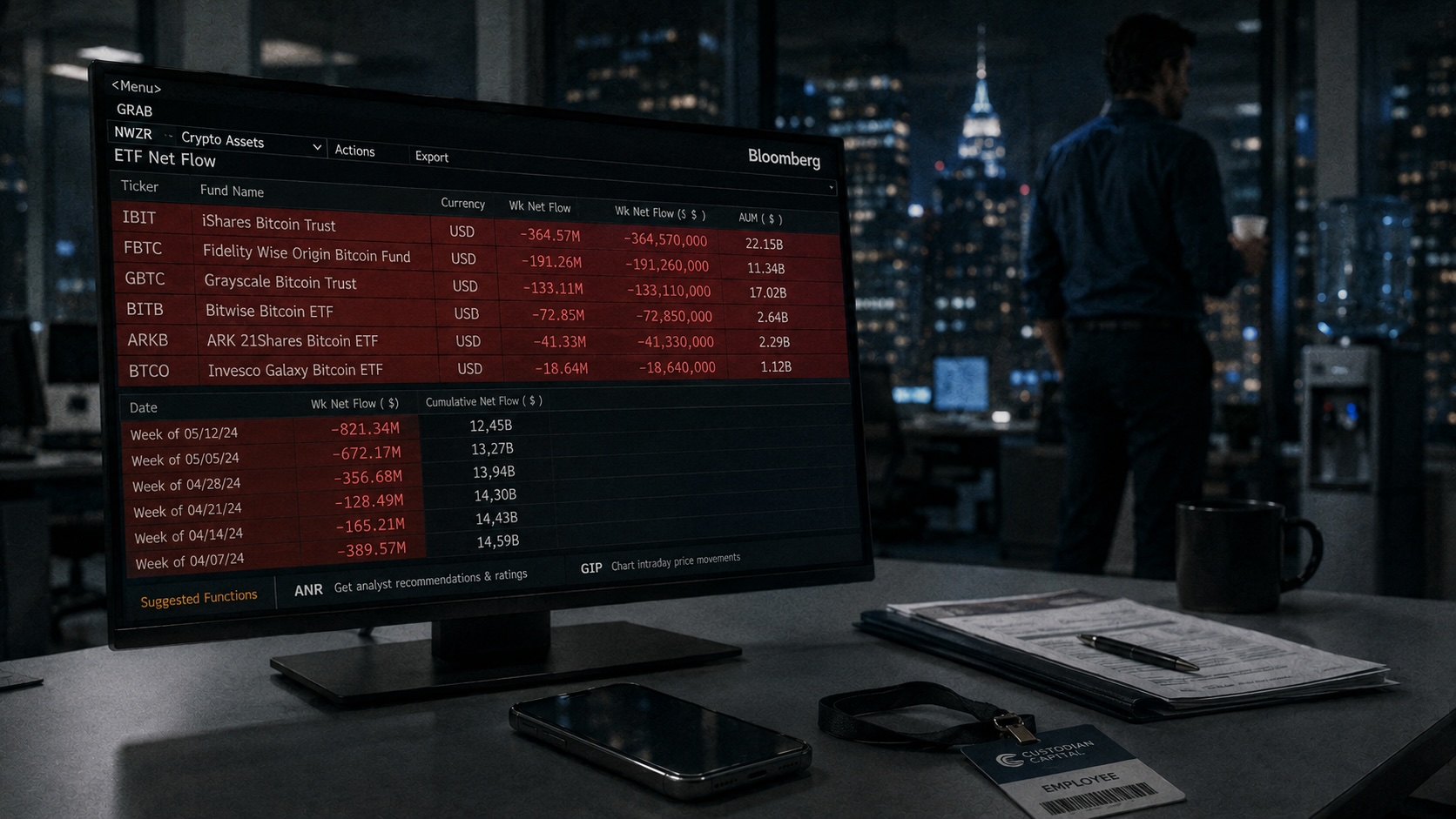
Pension Funds Add Small Crypto Allocations
Public and private pension funds in North America, Europe and parts of Asia are gaining crypto exposure via ETFs, futures, trusts, private funds and limited direct holdings.
Pension funds across multiple countries are adding cryptocurrencies to their portfolios using a mix of exchange-traded funds, futures contracts, regulated trusts, private funds and limited direct holdings of tokens such as bitcoin and ether.
Public and private plans, including corporate and state-run schemes, have taken positions in crypto over the past several years. Activity increased after 2020. Approval of spot bitcoin ETFs in 2023 and expanded institutional custody and prime-broker services provided more regulated options for trustees and managers.
Funds pursue exposure in several ways. Some buy shares of spot and futures-based ETFs where available. Others allocate to specialist managers that run crypto funds or make venture investments in blockchain companies. A smaller number of plans take direct custody of coins through regulated custodians. Some invest in sector infrastructure such as custody firms, trading platforms and mining operations.
Fund managers cite diversification from traditional equities and bonds, a search for higher long-term returns and member demand as reasons for taking limited positions. Improved institutional services, clearer tax approaches in some jurisdictions and regulated products have been listed as factors that make trustees consider small allocations.
Risk management approaches vary. Most pension plans set low caps on crypto allocations, commonly a fraction of total assets, and require detailed due diligence on managers and custodians. Some use futures or ETF structures to avoid direct custody. Others choose private funds that restrict liquidity but provide specialist risk controls. Internal governance is often strengthened with extra reporting, stress testing against price shocks and regular legal and regulatory reviews.
Trustees identify several key risks: large price swings, custody failures, counterparty exposure, uncertain regulatory treatment and operational vulnerabilities in exchanges and smart-contract platforms. Plans that take direct custody typically require multi-layer security, insured custody relationships with regulated providers and predefined exit plans. When investing in staking or decentralized finance products, many plans demand independent audits, insurance cover and contractual protections to limit the chance of principal loss.
Pension exposure extends beyond tokens. Funds also take venture capital stakes in blockchain startups, buy equity in custodians and trading platforms, and invest in companies that build mining hardware or run data centers. These routes provide sector exposure without direct token ownership.
Regulatory changes, product approvals and custody standards are factors that affect how pension funds engage with crypto. Some trustees maintain zero allocations pending clearer rules and longer-term evidence on returns and risks. Other plans permit small, controlled exposures using the structures and safeguards described above.
The content on The Coinomist is for informational purposes only and should not be interpreted as financial advice. While we strive to provide accurate and up-to-date information, we do not guarantee the accuracy, completeness, or reliability of any content. Neither we accept liability for any errors or omissions in the information provided or for any financial losses incurred as a result of relying on this information. Actions based on this content are at your own risk. Always do your own research and consult a professional. See our Terms, Privacy Policy, and Disclaimers for more details.
Articles by this author