Institutions Embrace Bitcoin Through Spot ETFs
BlackRock, Fidelity and other asset managers used spot bitcoin ETFs launched in January 2024 to channel institutional capital into bitcoin through regulated funds.
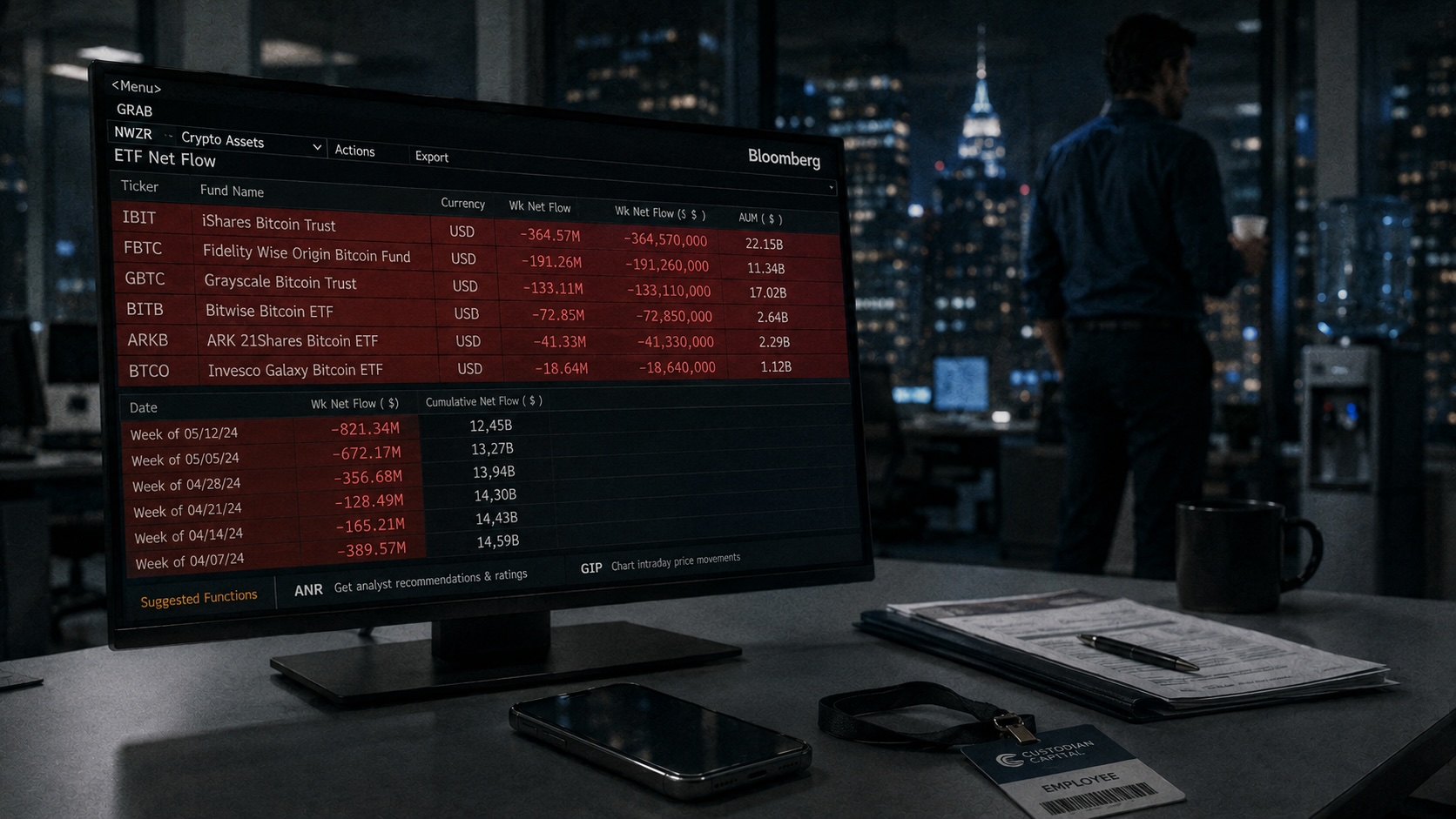
In January 2024 U.S. regulators approved spot bitcoin exchange-traded funds. Asset managers including BlackRock, Fidelity, Grayscale, Franklin Templeton, Bitwise and ARK 21Shares launched products that held more than $100 billion in combined assets within the first 18 months of trading.
Spot bitcoin ETFs are registered securities that hold bitcoin in qualified custody, trade on regulated exchanges and produce audited reports and regulatory filings such as 13F disclosures. Those features made the funds available to investors that require standard brokerage access, audited statements and fund prospectuses.
Many institutional investors used ETFs to avoid direct key management and counterparty relationships with crypto-native firms. Pension plans, insurers and large asset managers cited the ETF structure as a way to make multi-year allocations through existing custody and brokerage channels.
Institutions accessing bitcoin include asset managers running ETFs, public companies holding bitcoin on corporate balance sheets, public miners, hedge funds, banks, insurers and a small but growing set of pension funds. Public companies that have held bitcoin include MicroStrategy, Tesla and Block. Public miners such as Marathon Digital (MARA), Riot Platforms, CleanSpark and Cipher Mining offer equity exposure tied to mining operations.
Institutions use several access routes. Some buy bitcoin directly through over-the-counter desks and place holdings with qualified custodians such as Coinbase Custody, BitGo, Anchorage Digital and Fidelity Digital Assets. Others use spot ETFs to avoid direct custody. Additional exposure comes from corporate treasury purchases, venture investments in crypto infrastructure, equity stakes in miners and tactical positions in futures, options and basis trades.
Regulatory and policy developments relevant to institutional allocators include the U.S. CLARITY Act, a joint SEC-CFTC interpretation of crypto asset treatment published in March 2026, and the establishment of a Strategic Bitcoin Reserve by the federal government in March 2025 funded by bitcoin obtained through criminal and civil forfeiture. Product development since 2024 has included prime brokerage services and tokenized securities.
Institutional flows affected market structure: trading on regulated venues grew, bid-ask spreads tightened and service providers such as custodians, auditors and law firms expanded offerings for large clients. ETF holdings are visible in filings and fund disclosures and are widely monitored as a measure of institutional demand.
Price volatility continued. A selloff in mid-2026 reduced bitcoin’s value by roughly half from its 2025 peak and produced sharp share-price declines at companies with concentrated bitcoin treasuries.
Operational and concentration risks remain. Qualified custody reduces some risks but does not eliminate potential hacks or internal failures. A substantial share of ETF assets is concentrated among a small number of issuers, which raises questions about market functioning if an issuer faces operational stress. Some institutional capital remains on the sidelines because of compliance and audit costs and conservative investment committee rules; pension participation has been gradual, with a limited number of U.S. plans disclosing ETF positions and a small set of international schemes evaluating direct allocations.
Further uptake by large institutional allocators will depend on regulatory developments, continued expansion of custody and trading infrastructure and bitcoin’s performance in future market cycles.
The content on The Coinomist is for informational purposes only and should not be interpreted as financial advice. While we strive to provide accurate and up-to-date information, we do not guarantee the accuracy, completeness, or reliability of any content. Neither we accept liability for any errors or omissions in the information provided or for any financial losses incurred as a result of relying on this information. Actions based on this content are at your own risk. Always do your own research and consult a professional. See our Terms, Privacy Policy, and Disclaimers for more details.
Articles by this author