Bitcoin stalls near $64,000 as Fed rate worries weigh
Bitcoin hovered near $64,000 as investors weighed the risk of more Federal Reserve rate hikes over relief from a reported Iran ceasefire.
Bitcoin stalled near $64,000 as investors placed greater weight on the risk of further Federal Reserve rate hikes than on relief from a reported ceasefire involving Iran. Price action showed limited upside while traders monitored U.S. monetary policy signals and Treasury yields.
Trading showed little follow-through after the ceasefire reports. Market participants viewed the macro picture — especially signs that inflation and a strong labor market could keep U.S. interest rates higher for longer — as the dominant influence on risk assets, including bitcoin. Treasury yields rose modestly, narrowing the relative appeal of non-yielding assets.
Investors parsed comments from Federal Reserve officials and incoming economic data for indications of the central bank's next steps. Fed speakers emphasized a focus on price stability, and market-implied odds of further tightening increased, heightening sensitivity in bitcoin markets. Dollar strength tied to interest-rate expectations contributed to more cautious flows into speculative assets.
Technical traders identified intraday resistance near $64,000 and noted stop orders clustered below the $60,000 area that could amplify declines if sentiment shifted toward risk-off.
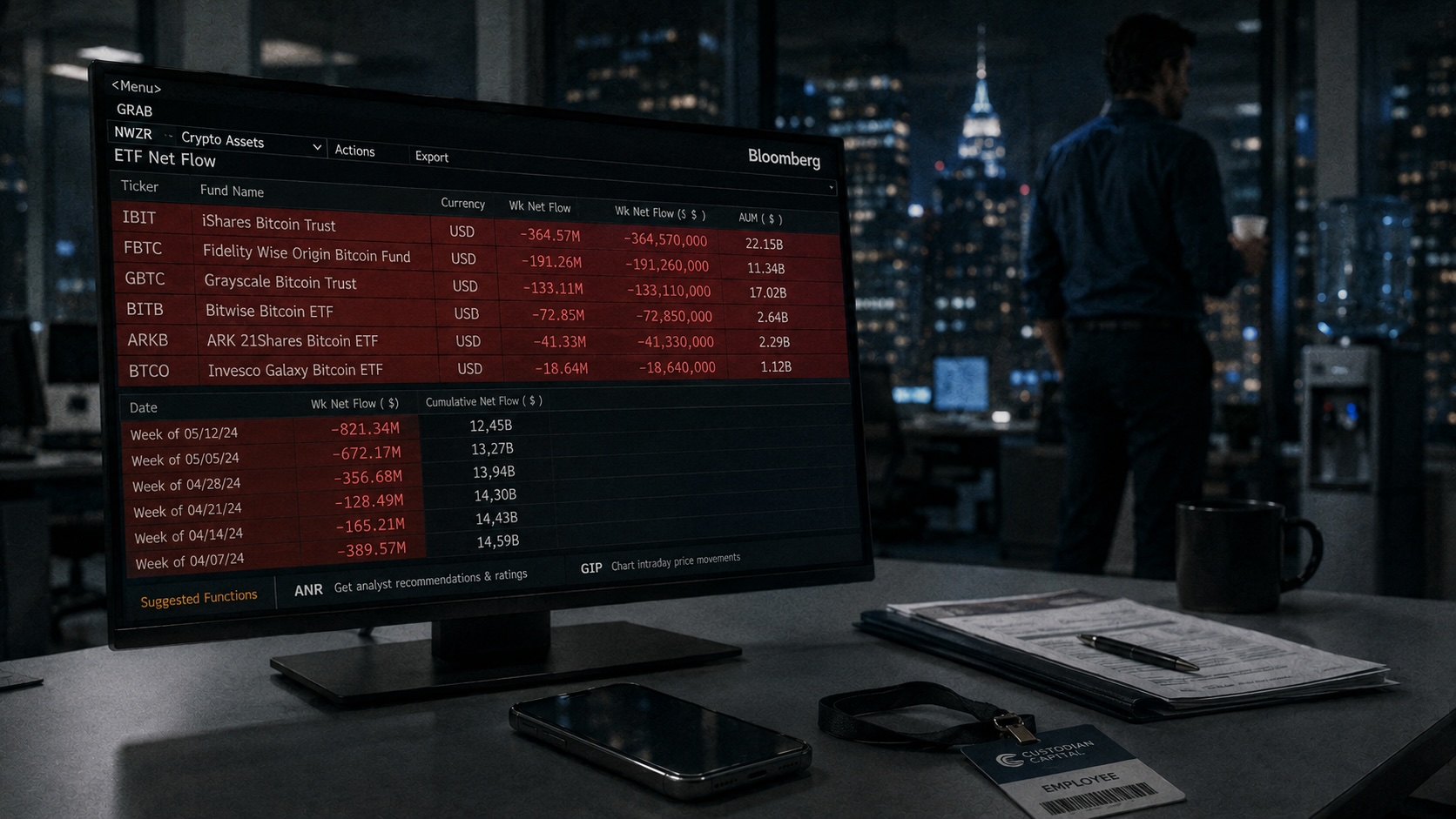
Institutional interest through regulated spot bitcoin exchange-traded products continued to support price discovery, but fund flows remained variable and tended to respond more to macro developments than to a single geopolitical event. Derivatives liquidity stayed adequate while implied volatility reflected concern about policy-driven shocks.
Market participants described trading as cautious rather than outright bearish: holdings by long-term investors provided a base of support, while near-term direction is likely to be set by upcoming U.S. payroll and inflation reports.
Higher real yields increase the opportunity cost of holding an asset without cash flows, which helps explain bitcoin’s sensitivity to interest-rate expectations. Since the launch of spot bitcoin ETFs, institutional participation has linked crypto markets more closely with traditional capital markets. Geopolitical developments can trigger short-term demand for decentralized assets, while central-bank policy and bond-market dynamics often determine sustained price trends.
The content on The Coinomist is for informational purposes only and should not be interpreted as financial advice. While we strive to provide accurate and up-to-date information, we do not guarantee the accuracy, completeness, or reliability of any content. Neither we accept liability for any errors or omissions in the information provided or for any financial losses incurred as a result of relying on this information. Actions based on this content are at your own risk. Always do your own research and consult a professional. See our Terms, Privacy Policy, and Disclaimers for more details.
Articles by this author