Asia opens lower as Swiss US-Iran talks flare
Warnings of retaliatory strikes briefly disrupted US-Iran talks in Bürgenstock; negotiators resumed under a 60-day de-escalation roadmap. Asian markets swung, S&P futures fell and the dollar strengthened.
High-level US-Iran negotiations in Bürgenstock, Switzerland, were briefly interrupted over the weekend after a warning that regional proxies could face military strikes if fighting between Hezbollah and Israel escalated. Negotiators later resumed sessions and mediators presented a formal 60-day de-escalation framework.
Real-time maritime tracking showed crude continuing to transit the Strait of Hormuz while shipping insurers and fleets maintained voyages and monitored security guarantees. The talks address Tehran’s nuclear program and measures to keep shipping lanes open.
Markets moved quickly on the renewed geopolitical risk. E-mini S&P 500 futures slipped about 0.25–0.4% in Asian trading after an earlier intraday drop near 0.6%, and Nasdaq futures fell roughly 0.5%. Brent and WTI crude erased earlier gains and traded around $76.85–$79.44 a barrel, down about 1% from intraday highs but still above their 200-day moving averages. The U.S. Dollar Index rose to about 100.80 as investors sought safe-haven assets.
Fixed-income prices reacted to higher energy-price baselines and geopolitical risk. The two-year U.S. Treasury yield jumped about 32 basis points in the Asian session to near 4.21%, a 16-month high.
Currency markets showed strain in Asia. The Japanese yen weakened to roughly 161.49 per dollar, approaching intervention territory, while the Korean won softened with USD/KRW near 1,535 after a 0.4% rise. The British pound traded around 1.3205 against the dollar following recent losses, with short-term technical support near 1.3160.
Regional equity performance diverged. Japan’s Nikkei 225 rose about 1.8% and South Korea’s KOSPI gained about 1.9%. China’s CSI 300 advanced modestly while Hong Kong’s Hang Seng fell nearly 1.9%. Investors adjusted exposures after G7 policy discussions shifted toward protectionist measures and supply-chain diversification.
The G7 summit concluded with debates over targeted 100% tariffs on selected digital and luxury goods and coordinated plans to diversify clean-technology supply chains away from primary Asia-Pacific manufacturing hubs. Market participants reported accelerated corporate retooling plans in response to those proposals.
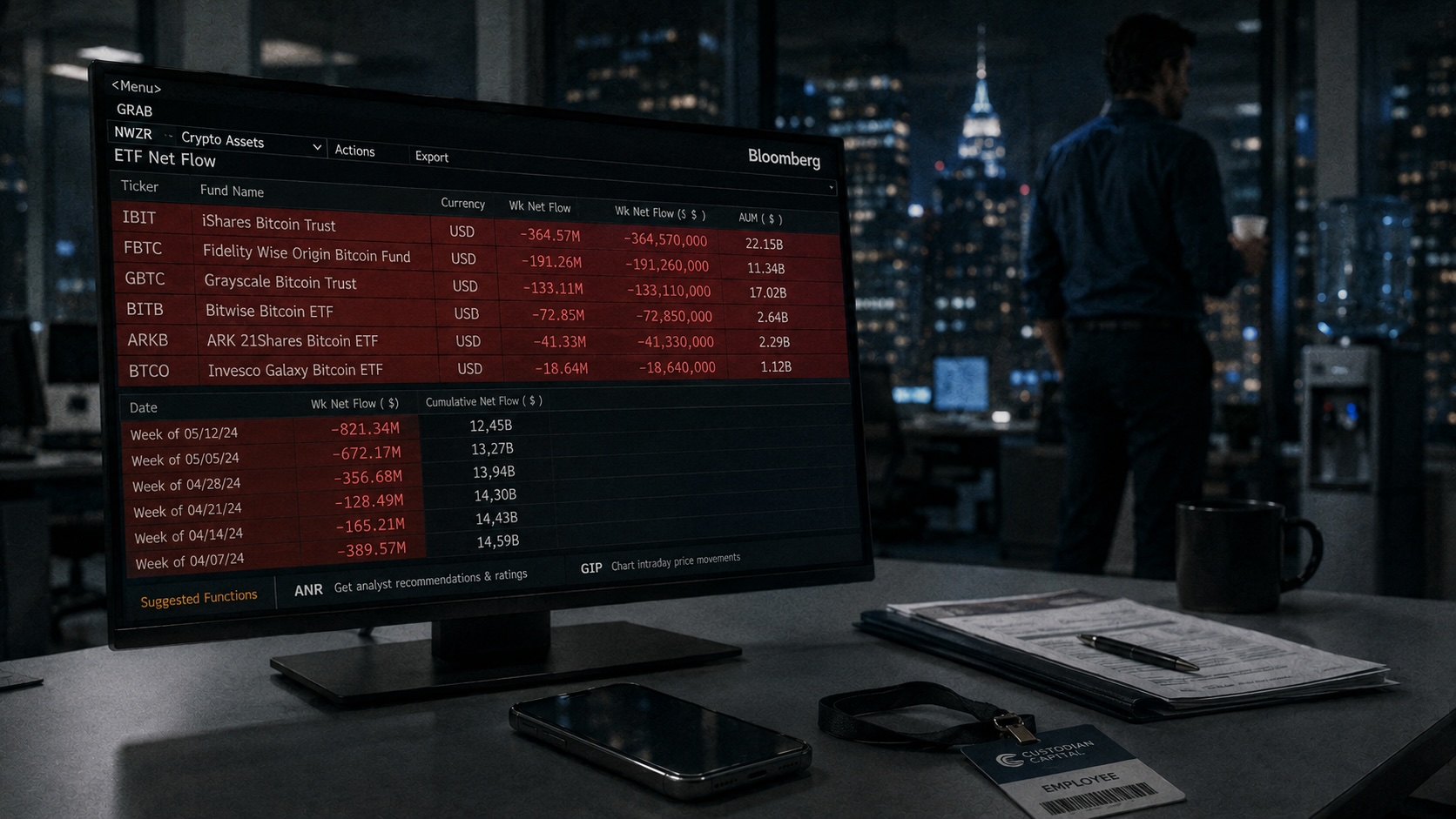
Energy traders said headline risk continued to support longer-dated crude prices despite normal physical flows through the Strait of Hormuz. Institutional flows moved away from spot digital-asset products, with notable outflows as investors prioritized sovereign yields and large-cap corporate cash returns.
Near-term items that could affect markets include Canada’s core inflation report, a flash consumer-confidence release from the European Central Bank, any formal announcement on the UK prime minister’s timetable, and further developments in the Swiss negotiations. Officials and traders described the process as fragile and sensitive to new threats.
The content on The Coinomist is for informational purposes only and should not be interpreted as financial advice. While we strive to provide accurate and up-to-date information, we do not guarantee the accuracy, completeness, or reliability of any content. Neither we accept liability for any errors or omissions in the information provided or for any financial losses incurred as a result of relying on this information. Actions based on this content are at your own risk. Always do your own research and consult a professional. See our Terms, Privacy Policy, and Disclaimers for more details.
Articles by this author